

Renting a Villa in Shanghai: What to Know
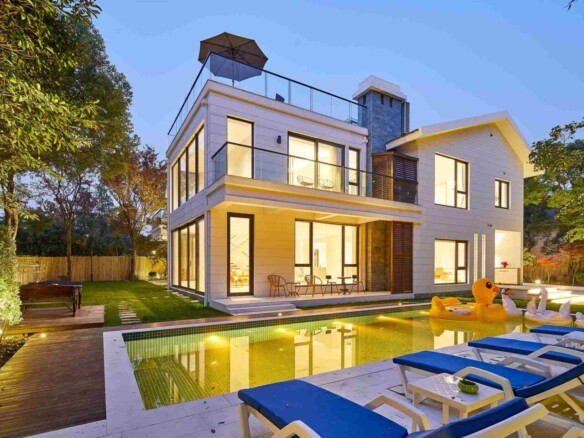
Villas make up a relatively small part of Shanghai’s rental market, but they offer something apartments generally cannot: substantially more space, private outdoor areas and greater separation from neighbouring homes.
They are most common outside the dense downtown core, particularly in Hongqiao, Minhang, Pudong and Qingpu, where larger residential compounds and lower-density developments are easier to find.
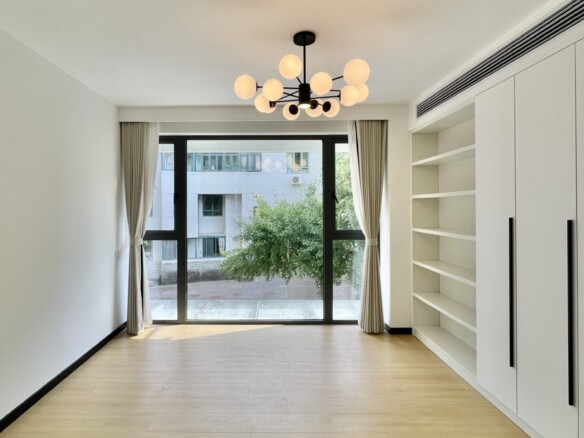
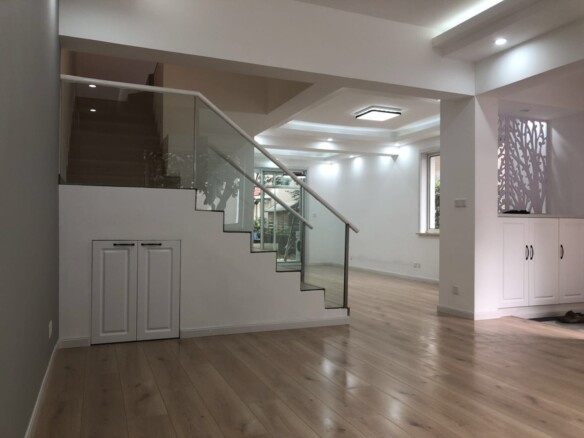
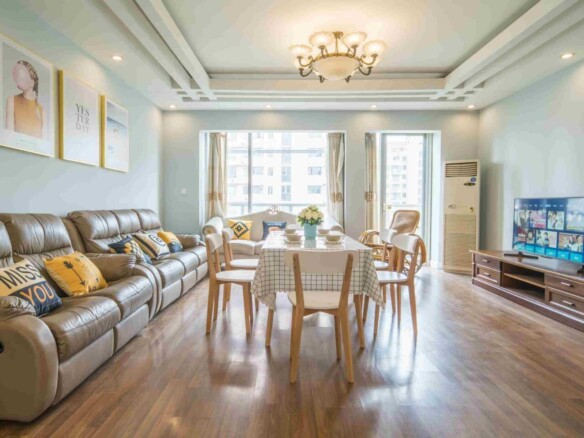
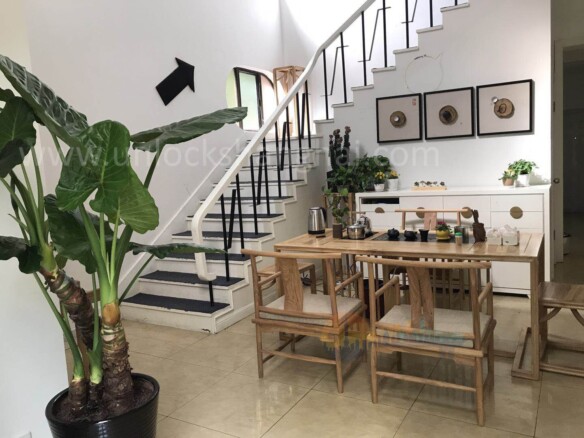
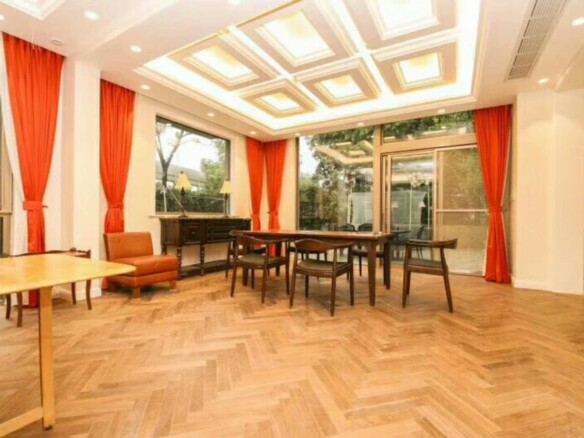
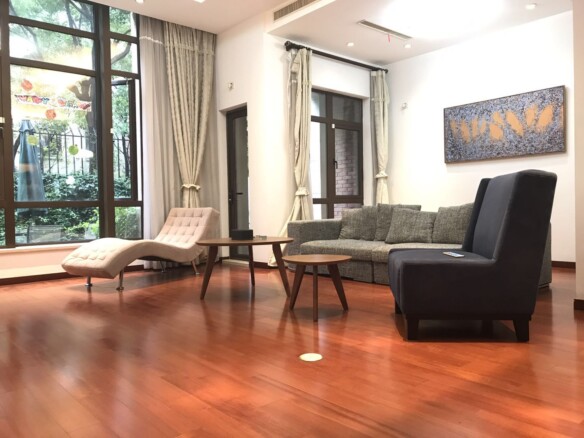
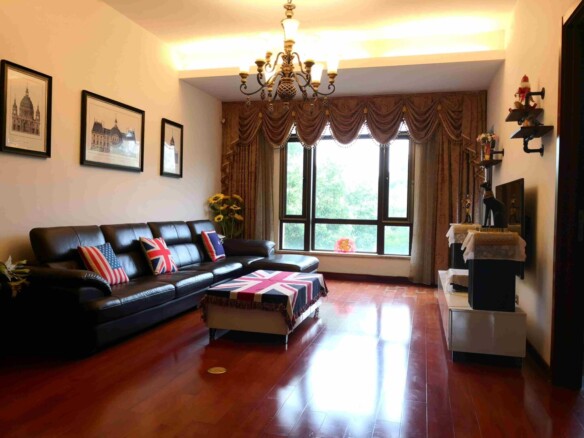
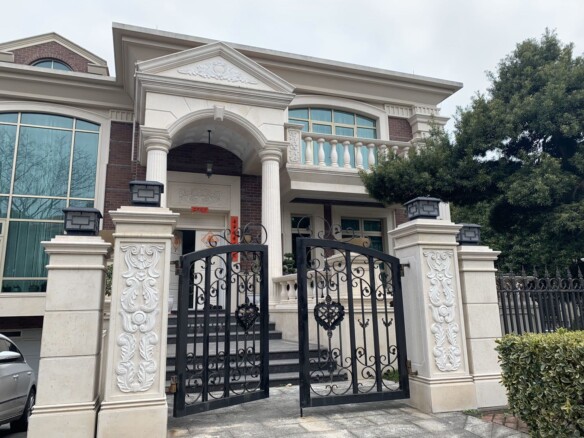
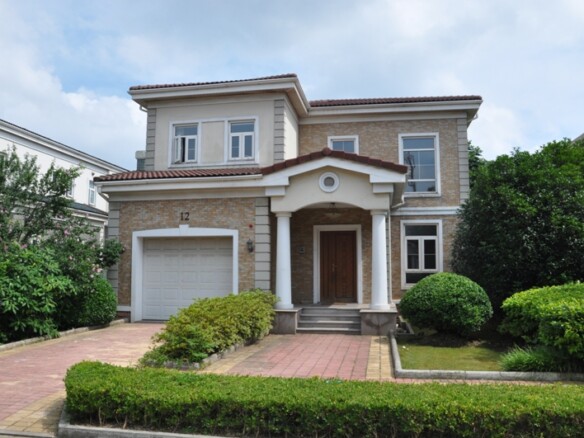
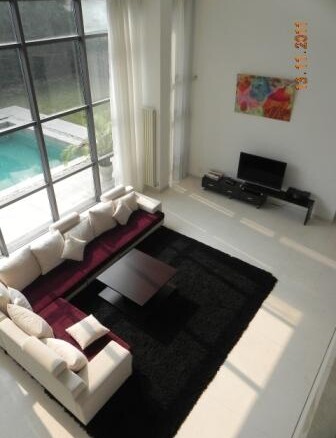
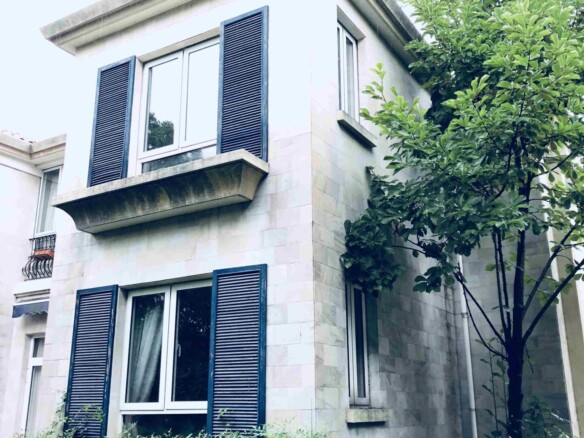
The listings above show current villa inventory across Shanghai. Because villa size, location and compound quality vary widely, comparing individual properties is more useful than relying on a single city-wide average rent.
What does a villa cost in Shanghai?
Villa rents vary dramatically.
Smaller or older properties can sometimes be found from around ¥20,000–¥30,000 per month, while large homes in established international compounds can easily reach ¥50,000–¥80,000 or more.
The biggest price drivers are usually:
- location;
- floor area;
- garden or terrace size;
- renovation quality;
- compound management;
- proximity to international schools;
- and whether facilities such as a clubhouse, gym or pool are included.
When comparing villas, also look at rent per square metre. A property with a very large advertised floor area may not necessarily provide more useful living space if much of it is distributed across basements, staircases or secondary rooms.
Where are villas most common?
Hongqiao and western Changning
Hongqiao is one of Shanghai’s established villa areas.
Many properties here sit inside mature residential compounds with larger floor plans, private gardens and convenient access to western Shanghai.
The area can work particularly well for households with schools or workplaces nearby, but exact metro access varies and some compounds are more car-oriented than central neighborhoods.
Minhang
Minhang contains a large amount of family-oriented housing, including villas and low-density compounds around areas such as Huacao.
Compared with central Shanghai, renters can usually obtain substantially more space.
For many households, the main reason to live here is proximity to international schools rather than proximity to downtown.
If your daily destination is in Jing’an, Xuhui or Lujiazui, check the actual commute carefully before choosing a property.
Pudong
Pudong has several distinct villa markets rather than one uniform residential area.
Jinqiao, Huamu and areas around Century Park contain established compounds popular with international families, while developments farther east can provide larger homes at lower rents.
Commute times within Pudong can still be significant, so district name alone is not a useful measure of convenience.
Qingpu and Xujing
Qingpu and Xujing offer some of the largest villas available around Shanghai.
Properties can include extensive gardens, multiple floors and significantly more floor area than similarly priced homes closer to the centre.
The trade-off is location. These areas make the most sense when work, school or regular activities are already in western Shanghai.
Central Shanghai
True standalone villas are rare in the downtown core.
Occasional houses can be found around the Former French Concession and neighbouring central areas, but supply is limited and prices can be extremely high.
If you want central low-rise living rather than suburban villa space, an entire lane house may be a more realistic alternative.
Villa compound or standalone house?
Most Shanghai villas available to foreign renters are located inside managed residential compounds.
This usually provides more predictable building services and maintenance than a completely standalone property.
Depending on the development, a villa compound may include:
- controlled entrances;
- property management;
- landscaped common areas;
- playgrounds;
- clubhouses;
- swimming pools;
- gyms;
- tennis courts;
- and maintenance services.
Do not assume every listed facility is included in the rent or currently operational. Ask specifically what the tenant can use and whether additional membership or management fees apply.
Standalone villas can provide greater privacy, but maintenance arrangements deserve closer attention.
What should you check during a villa viewing?
With villas, the condition of the entire property matters more than the appearance of the main living room.
Heating and cooling
Large houses require substantially more energy to heat and cool than apartments.
Check how many air-conditioning units the property has, whether there is underfloor heating or another heating system, and whether all major rooms can be heated independently.
A very large villa with inadequate heating can be expensive and uncomfortable during winter.
Damp, roofs and basements
Check carefully for signs of moisture.
Basements, ground floors, exterior walls, balconies and roof areas are particularly important.
Look for:
- staining;
- peeling paint;
- mould;
- musty smells;
- recent patch repairs;
- and signs of previous leaks.
Shanghai’s humid climate makes waterproofing and ventilation important in larger detached homes.
Garden maintenance
A private garden is valuable only if you know who maintains it.
Clarify whether landscaping is handled by the landlord, compound management or the tenant.
Also check drainage, outdoor lighting and whether trees or surrounding buildings significantly reduce sunlight.
Plumbing and water pressure
Large villas may contain several bathrooms across multiple floors.
Test showers and taps, particularly on upper floors, and ask how hot water is supplied.
Electrical capacity
Multiple air conditioners, ovens, dryers, electric heaters and other appliances can place substantial demands on the electrical system.
Check whether the property has been properly upgraded, especially in older villas.
Windows and insulation
Large houses have much more external wall and window area than apartments.
Poorly sealed windows can make heating and cooling expensive and can allow significant road or aircraft noise into the property.
Appliances
If the villa is furnished, test major appliances rather than assuming they work.
Check the:
- refrigerator;
- oven;
- dishwasher;
- washing machine;
- dryer;
- water heaters;
- air conditioners;
- and any built-in heating systems.
Replacing or repairing large imported appliances can become complicated, so maintenance responsibility should be clear in the lease.
International schools and commute
For many families, school location is the most important factor when choosing a villa.
This is one reason villa markets are concentrated around Hongqiao, Huacao, Jinqiao and other areas with international schools nearby.
A villa may look inexpensive compared with a central apartment, but the calculation changes if every member of the household faces a long daily journey.
Before deciding on a property, check realistic travel times to:
- school;
- work;
- airports;
- hospitals;
- supermarkets;
- and any activities you expect to visit regularly.
Do this at the times you would actually travel. Shanghai traffic can make a seemingly short distance much less convenient during peak hours.
Car access and parking
Villa living in Shanghai is often more car-dependent than apartment living in central districts.
Check whether the property includes:
- private parking;
- underground parking;
- guest parking;
- EV charging;
- or convenient access for taxis and ride-hailing services.
If the compound is large, also check the distance between your house and the main entrance.
This can matter more than expected for deliveries, taxis and school transport.
Furnished or unfurnished?
Shanghai villas can be rented fully furnished, partly furnished or effectively unfurnished.
The quality of provided furniture varies considerably.
For longer leases, landlords may sometimes agree to:
- remove unwanted furniture;
- replace mattresses;
- provide additional appliances;
- repaint rooms;
- or make minor changes before move-in.
Any agreed work should be documented before the lease is signed rather than left as a verbal promise.
What does the rent actually include?
A villa can involve more additional costs than an apartment.
Before comparing two properties, establish whether the advertised rent includes:
- compound management fees;
- clubhouse access;
- gardening;
- maintenance;
- internet;
- utilities;
- parking;
- and any taxes or fees associated with issuing a rental fapiao.
A lower advertised rent does not necessarily mean a lower total housing cost.
Before signing the lease
Verify that the person renting the property to you has the legal authority to do so.
If you are dealing directly with the owner, ask to see identification and property ownership documentation.
If the landlord or agency is acting on behalf of someone else, ask for evidence of authorization.
The lease should clearly state:
- monthly rent;
- deposit;
- payment schedule;
- lease duration;
- notice period;
- included furnishings;
- management fees;
- maintenance responsibilities;
- responsibility for garden upkeep;
- responsibility for appliances;
- and the conditions under which the deposit will be returned.
For villas in particular, it is worth making a written inventory of furniture, appliances and visible property condition when moving in.
Villa or apartment?
A villa is usually the better fit if your priorities are:
- larger living areas;
- multiple bedrooms;
- private outdoor space;
- greater separation from neighbours;
- parking;
- and proximity to international schools.
An apartment may be more practical if you value:
- central location;
- short metro access;
- easier maintenance;
- lower utility costs;
- and shorter travel times to downtown offices and restaurants.
The best choice is not simply about budget.
In Shanghai, villa living usually means exchanging some urban convenience for space, privacy and a more residential environment. Whether that trade-off works depends heavily on where the household needs to be every day.