

Shanghai Lane Houses: What Renters Should Know
Shanghai lane houses are one of the city’s most distinctive housing types, but the label is used quite loosely in the rental market. A “lane house” may mean an entire historic house, one floor of a larger building, or a renovated apartment inside a traditional lilong or longtang compound. Many are shikumen, but the terms are not identical.
For renters, the important distinction is less architectural terminology than what exactly is included in the tenancy, how well the property has been renovated, and how the building performs in everyday use.
What is a Shanghai lane house?
Traditional lane houses are low-rise homes built inside dense residential lanes rather than modern gated compounds. They are particularly common in older parts of Xuhui, Jing’an and Huangpu.
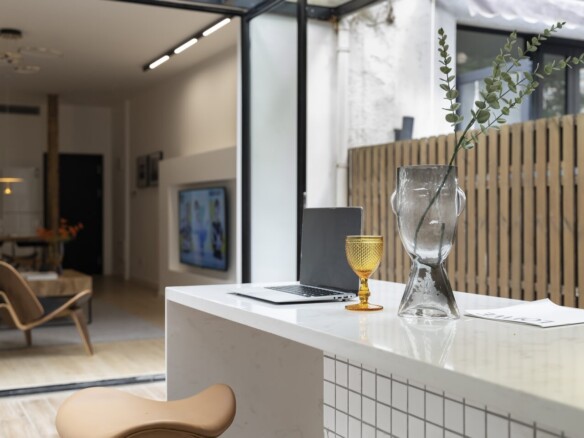
They are popular because they offer a very different living environment from high-rise apartment compounds: smaller-scale streets, historic architecture, unusual layouts and, in some cases, private entrances, terraces or courtyards.
However, rental listings can describe very different properties as “lane houses”. Before arranging a viewing, check whether the listing is:
- an entire house;
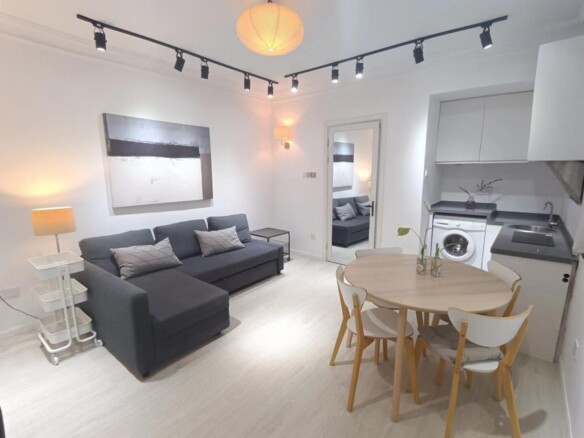
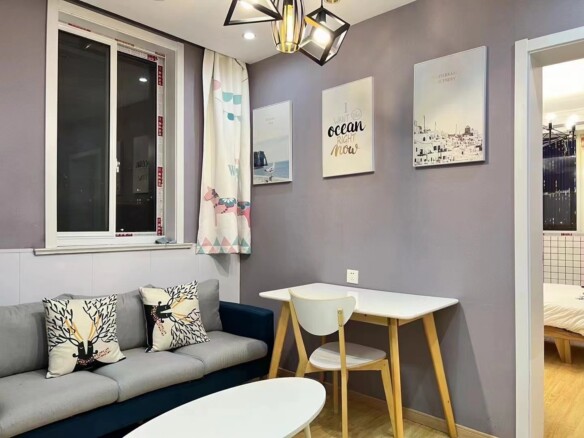
- one floor or apartment within a lane house;
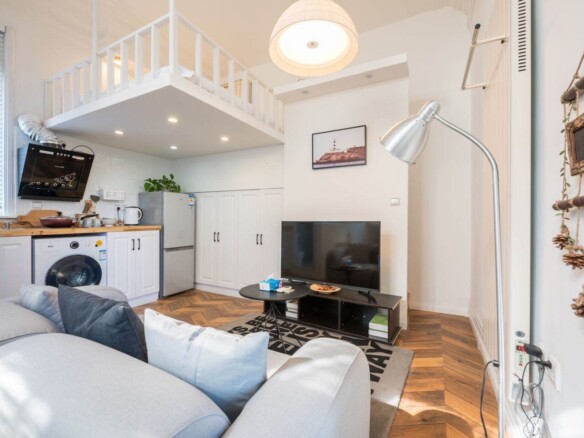
- a subdivided unit;
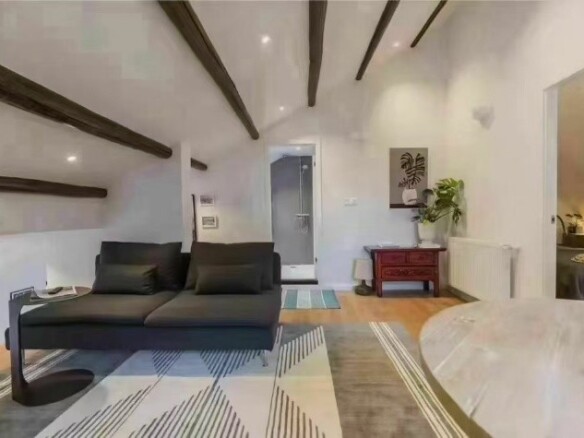
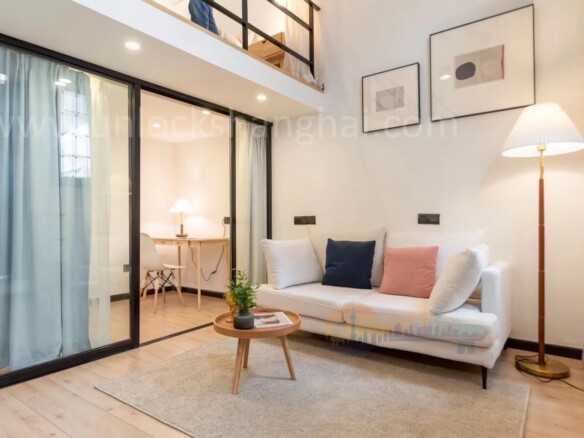
- a ground-floor or attic conversion;
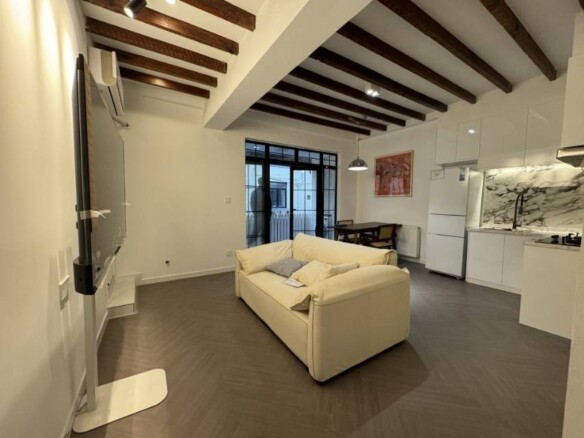
- or a heavily renovated historic property.
This difference has a major effect on privacy, price and maintenance.
How much does a lane house cost in Shanghai?
Lane-house rents vary considerably depending on location, size, condition and whether the tenant rents a complete house or only part of one.
Smaller apartments and converted units can sometimes be found at prices comparable to regular apartments in central Shanghai, while large renovated houses in prime Former French Concession or Jing’an locations can be among the most expensive rentals in the city.
The listings above provide a better indication of the current market than a fixed price range, because supply changes quickly and the category includes very different types of property.
When comparing listings, pay particular attention to:
- total usable floor area;
- number of floors included;
- outdoor space;
- renovation quality;
- heating and air conditioning;
- exact street or lane;
- and whether the quoted rent applies to the complete property.
Where are most lane houses located?
The largest concentration of lane-house rentals is in central Shanghai, particularly in areas historically developed before the spread of modern apartment compounds.
Former French Concession and Xuhui
This is the area most commonly associated with Shanghai lane-house living. Streets around Wuyuan Road, Yongjia Road, Jiashan Road, Fuxing Road and Huaihai Middle Road contain a large number of historic residential lanes.
The area is popular with renters who value walkability, restaurants, cafés and lower-rise streets. Properties in especially attractive lanes can command substantial premiums.
Jing’an
Jing’an also contains extensive older housing stock, particularly around streets such as Yuyuan Road and the areas west and south of the commercial centre.
Lane houses here can offer a good compromise between historic residential surroundings and access to central business districts.
Huangpu
Huangpu contains some of Shanghai’s oldest residential neighbourhoods, including areas around Julu Road, Xintiandi and the former French Concession boundary.
Supply varies widely, from heavily renovated premium homes to very traditional units with limited modern amenities.
Why rent a lane house instead of a modern apartment?
The main reason is usually the living environment rather than the specification sheet.
A good lane house can offer:
- low-rise residential surroundings;
- distinctive historic architecture;
- more individual floor plans;
- private or semi-private entrances;
- terraces or courtyards in some properties;
- quieter internal lanes away from major roads;
- and easy access to some of central Shanghai’s most walkable neighbourhoods.
The trade-off is predictability.
Modern compounds generally offer more standardized construction, elevators, professional property management, underground parking and more consistent heating, insulation and utilities.
With lane houses, the quality of the individual property matters much more.
What should you check before renting?
A beautiful façade does not necessarily mean a comfortable apartment.
Lane houses are older buildings, and renovation quality varies enormously. Two properties on the same lane can provide completely different living experiences.
During a viewing, check the following carefully.
Heating and insulation
Shanghai winters are damp and cold, and many older homes were not designed around modern heating systems.
Check what heating is installed, how well windows seal, whether exterior walls feel damp and whether the air-conditioning system is realistically capable of heating the space.
Ground-floor and north-facing units deserve particular attention.
Damp and mould
Older masonry, poor ventilation and ground-floor locations can create moisture problems.
Look around window frames, external walls, bathrooms, built-in wardrobes and corners that receive little sunlight.
A freshly repainted wall is not always evidence that the problem has been solved.
Plumbing and water pressure
Ask to run taps and showers during the viewing.
Older plumbing, low water pressure and drainage problems are considerably more irritating after moving in than they appear during a ten-minute inspection.
Electrical capacity
Renovated lane houses may contain modern appliances while still relying partly on older electrical infrastructure.
If the property uses several air conditioners, electric heaters, ovens or other high-load appliances, ask whether the electrical system has been properly upgraded.
Natural light
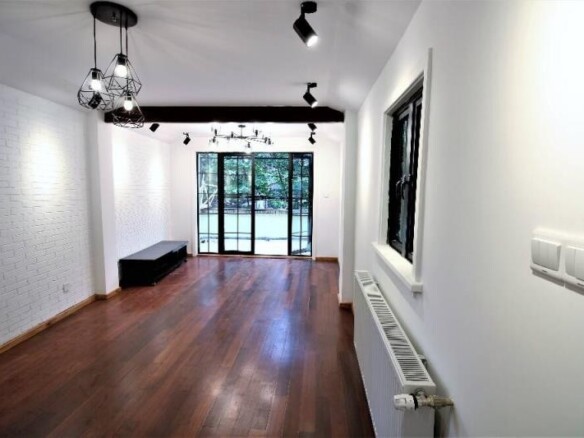
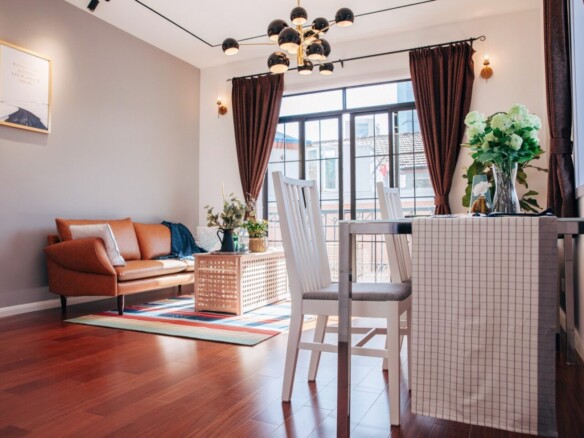
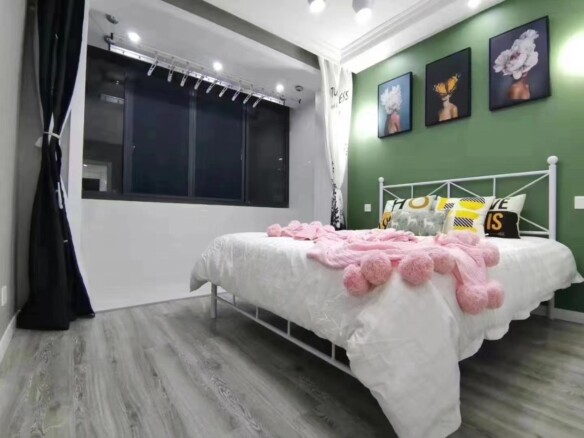
Some lane-house units are significantly darker than listing photos suggest.
Internal lanes can be narrow, neighbouring buildings are close together, and lower floors may receive limited direct sunlight.
Visit during daylight where possible.
Noise and privacy
A property located inside a lane may be quieter than one facing a major road, but lane-house living can also mean close proximity to neighbours.
Shared entrances, thin walls, neighbouring kitchens, residents passing directly outside windows and early-morning activity are all possible.
Roofs and upper floors
Top-floor units can be attractive because of better light and terraces, but check carefully for signs of previous leaks.
Shanghai’s heavy summer rain makes roof waterproofing particularly important.
Shared and private space
Do not assume that a courtyard, terrace, entrance hall or roof shown in photographs is exclusively included in the tenancy.
Ask explicitly which areas are private and which are shared with neighbours.
Lane house or modern compound?
Neither is automatically better.
A lane house may suit you if you value:
- central neighbourhoods;
- historic surroundings;
- walkability;
- individual architecture;
- and a less standardized home.
A modern compound may be the better choice if you prioritize:
- elevators;
- professional management;
- parking;
- predictable building services;
- newer insulation;
- standardized layouts;
- or facilities such as gyms and swimming pools.
For lane houses especially, it is worth judging the individual property rather than the category.
A well-renovated house in a good lane can be one of the most attractive ways to live in central Shanghai. A poorly renovated one can combine premium rent with all the disadvantages of an old building.
Before signing a lease
Confirm the exact property, landlord details and rental terms rather than relying solely on listing photographs or descriptions.
Availability can also change quickly in Shanghai’s rental market. Listings marked as needing confirmation should be treated as leads rather than guaranteed current inventory.
If a property interests you, compare it with several similar listings in the same neighbourhood before deciding whether the rent reflects the location, size and renovation quality.