


Renting an Apartment in Shanghai: What to Know
Shanghai’s apartment market is large and extremely varied. A similar monthly budget can get you a compact apartment in central Jing’an, a larger home in Xujiahui, or considerably more space in an outer district.
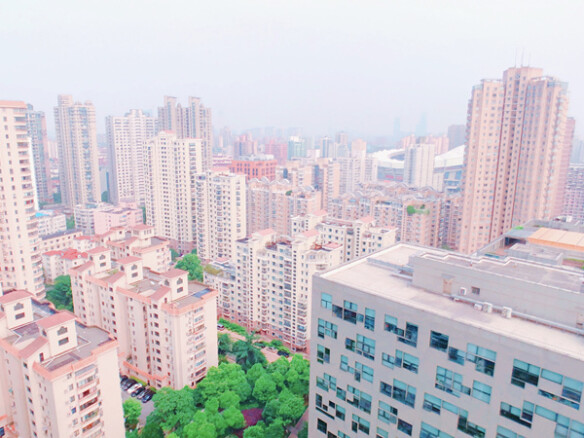
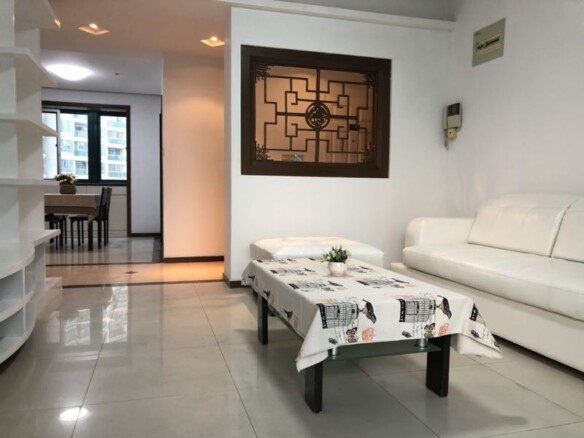
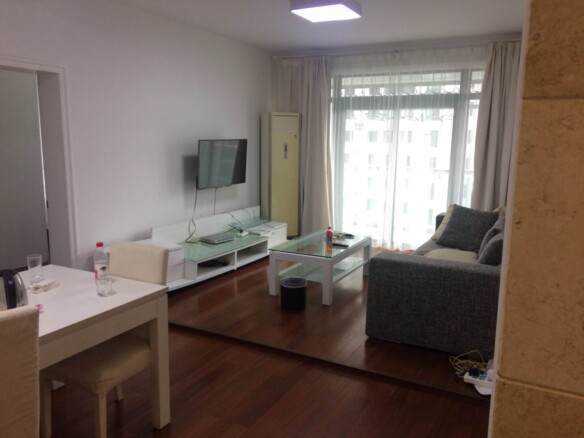
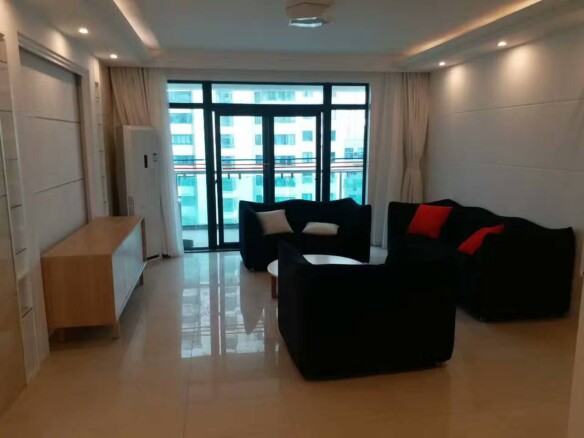
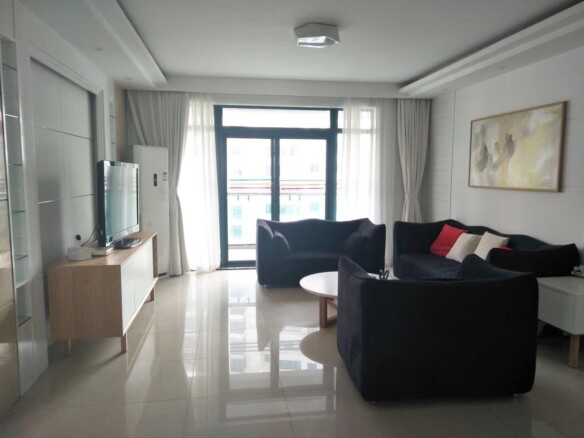
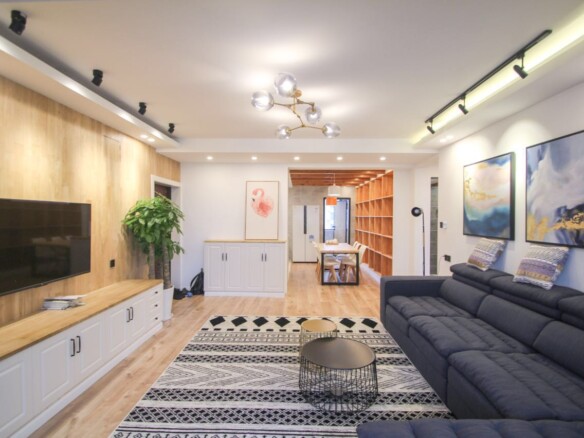
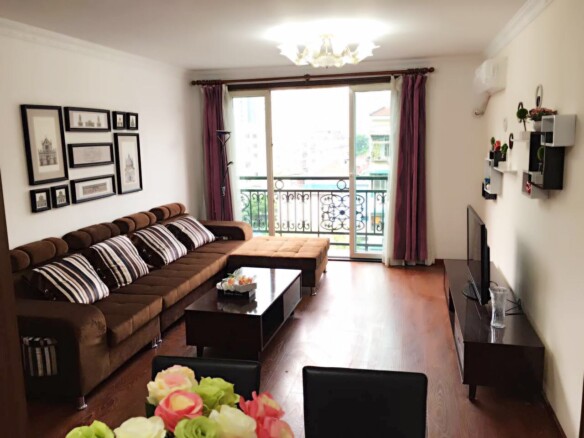
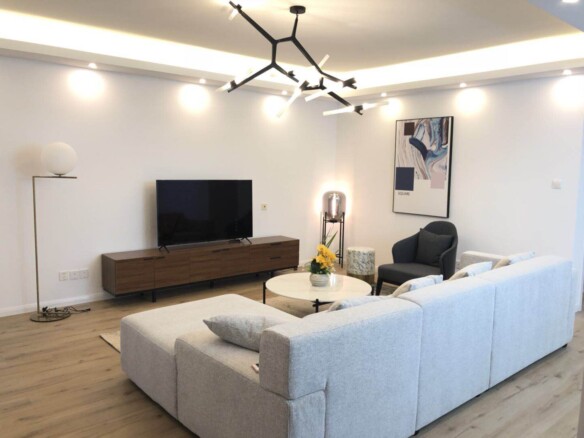
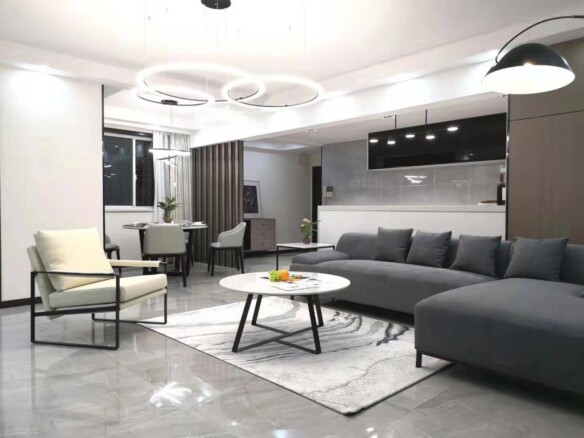
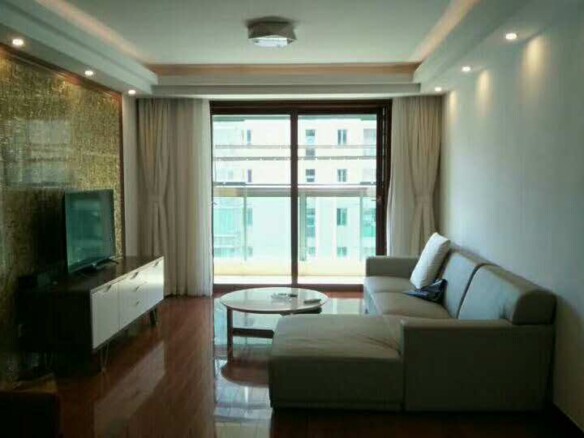
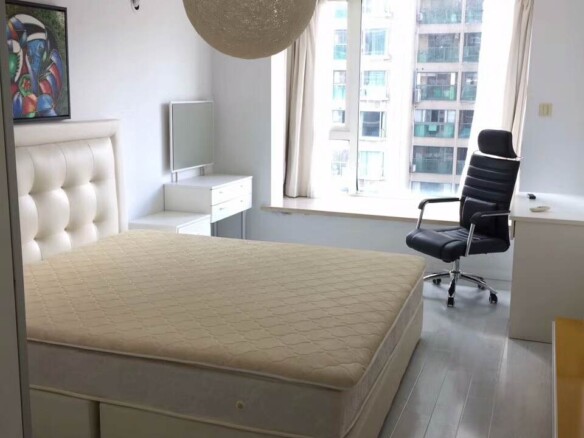
The listings above show current asking rents from across the city. When comparing apartments, location and floor area matter, but so do the age of the building, renovation quality, property management and distance to the nearest metro station.
How much does an apartment cost in Shanghai?
There is no particularly useful city-wide “average rent” for Shanghai.
Prices vary substantially by district, bedroom count, building age, proximity to the metro and whether the apartment is located in a modern managed compound or an older residential building.
Central areas such as Jing’an, Xuhui and Huangpu usually command higher rents per square metre. Moving farther into Pudong, Changning, Minhang or other less central districts can provide substantially more space for the same budget.
For the most useful indication of current prices, compare several listings of a similar size in the same neighborhood rather than relying on a city-wide average.
Where should you rent in Shanghai?
The right location depends heavily on where you need to travel every day.
Shanghai is large enough that choosing an apartment solely because you like the neighborhood can result in a poor daily commute.
Jing’an, Xuhui and Huangpu
These central districts contain some of Shanghai’s most popular residential neighborhoods.
They generally offer excellent metro access, dense restaurant and retail options and relatively short journeys to many central offices.
The trade-off is price and space. Apartments can be smaller or more expensive than similarly equipped properties farther from the centre.
Older apartment buildings and lane-house properties are also much more common here, so building quality varies considerably.
Changning and Hongqiao
Changning offers a mixture of established apartment compounds, older residential buildings and larger family-oriented developments.
The Hongqiao area is particularly popular with households that value larger apartments, international-school access or proximity to western Shanghai.
Commutes into the city centre remain practical from many parts of Changning, but exact metro access matters.
Pudong
Pudong is too large to treat as a single rental market.
Lujiazui offers high-rise apartments close to the financial district, while areas such as Huamu, Century Park and Jinqiao have a very different residential character and often contain larger managed compounds.
If considering Pudong, calculate your actual commute rather than judging the property by district name alone.
Minhang and other outer districts
Moving farther from central Shanghai usually increases the amount of space available for a given budget.
This can make outer districts attractive to families or people whose workplace or school is already located outside the centre.
The main trade-off is travel time. A cheap, large apartment becomes less attractive if it adds an hour to your daily commute.
Modern compound or older apartment?
Shanghai apartment listings cover buildings with very different standards.
Modern compounds
Newer or well-managed residential compounds often provide:
- elevators;
- controlled building access;
- professional property management;
- underground or organized parking;
- landscaped common areas;
- parcel handling;
- more predictable maintenance;
- and, in some developments, facilities such as gyms, pools or playgrounds.
Facilities vary by compound, so do not assume they are included simply because a listing uses the word “compound”.
Older apartment buildings
Older buildings can offer better locations or lower rents, particularly in central Shanghai.
They may also come with trade-offs such as:
- older elevators or no elevator;
- less consistent maintenance;
- dated plumbing or electrical systems;
- weaker insulation;
- limited parking;
- and greater variation between individual units.
A recently renovated interior does not necessarily mean the building itself has been upgraded.
What should you check during a viewing?
Listing photographs tell you surprisingly little about how an apartment performs in daily use.
Natural light
Check the apartment during daylight where possible.
Orientation, neighboring buildings and floor level can make a substantial difference, particularly in dense central neighborhoods.
Heating and air conditioning
Shanghai summers are hot and humid, while winters can feel surprisingly cold indoors.
Check the age and condition of the air-conditioning units and whether every major room has adequate heating and cooling.
Windows and insulation
Older windows can substantially affect winter comfort, street noise and electricity consumption.
Stand next to windows and balcony doors and check how well they seal.
Water pressure and drainage
Run taps and showers rather than simply inspecting the bathroom.
Also check drainage and look for signs of previous leaks around ceilings, windows and bathroom walls.
Appliances
If appliances are included in the lease, test them.
Check the refrigerator, washing machine, oven, water heater and air-conditioning rather than assuming that everything visible in the listing photos works properly.
Noise
Open the windows.
Traffic, construction, neighboring restaurants, school playgrounds and building equipment can all make an otherwise attractive apartment much noisier than expected.
Visit at the time of day when noise is most likely to matter to you.
Property management
In a compound, look beyond the apartment itself.
Common areas, elevators, rubbish collection and entrance management usually give a good indication of how well the development is maintained.
Metro access matters more than straight-line distance
Shanghai’s metro system makes many neighborhoods highly accessible, but an apartment that looks centrally located on a map may still involve a long walk or inconvenient interchange.
The listings on UnlockShanghai include the nearest known metro station and approximate walking distance where available.
When comparing apartments, consider the entire journey to your workplace, school or other regular destination rather than simply choosing the closest station.
A slightly longer walk to a useful metro line can be preferable to living directly beside a station that requires several transfers.
Before signing a lease
Before paying a deposit or signing a contract, verify who is legally entitled to rent the apartment to you.
If you are dealing directly with the owner, ask to see identification and documentation showing ownership of the property.
If the person renting the apartment to you is not the owner, ask for evidence that they are authorized to sublet it.
This is particularly important when dealing with a “second landlord” who rents properties from owners, renovates them and then sublets individual apartments.
Deposits and rent payments
Payment terms vary by landlord and property.
A lease may require:
- a security deposit;
- rent paid monthly, quarterly or on another agreed schedule;
- and payment of some or all rent in advance.
Do not assume the payment structure is fixed. Terms can sometimes be negotiated, particularly for longer leases or higher-value properties.
Make sure the lease clearly states:
- the monthly rent;
- deposit amount;
- payment schedule;
- lease duration;
- notice period;
- responsibility for utilities;
- maintenance responsibilities;
- and conditions for returning the deposit.
Fapiao and employer-paid rent
If your employer pays or reimburses your housing costs, confirm before signing whether a rental fapiao can be issued.
Do not leave this question until after you have moved in.
Issuing a fapiao may involve additional administrative steps or costs, and the arrangement should be clear before the lease is finalized.
Furnished apartments
Many Shanghai apartments are rented furnished, but “furnished” can mean anything from basic furniture and appliances to a fully equipped home.
If particular furniture matters to you, agree in writing what will remain in the apartment.
It can also be useful to photograph the property and its contents when moving in, particularly where the landlord has provided expensive furniture or appliances.
Compare the apartment, not just the photos
Shanghai rental listings can differ dramatically even within the same building.
Floor level, orientation, renovation date, landlord, furniture and maintenance can make one unit significantly better than another.
Before choosing a property, compare several apartments in the same area and price range.
The cheapest listing is not necessarily the best value, and an expensive renovation does not automatically compensate for a poor building, inconvenient location or badly maintained infrastructure.
For most renters, the best apartment is the one that gets the fundamentals right: location, commute, usable space, building condition and a clear lease agreement.