
Xintiandi: Shanghai’s Most Iconic and Exclusive Urban Lifestyle District
Welcome to Xintiandi, “New Heaven and Earth” – Shanghai’s most glamorous, most photographed, and most expensive neighborhood. Translating to “New Heaven and Earth” in reference to the founding of the Chinese Communist Party here in 1921, Xintiandi represents something entirely different from the suburban tranquility of Jinqiao or the Western-suburban convenience of Huacao-Xujing. This is urban sophistication at its most refined: restored 1920s Shikumen architecture reimagined as luxury boutiques, Michelin-starred restaurants, world-class jazz bars, and high-end serviced apartments, all compressed into just two densely packed blocks in the heart of Huangpu District.
If you’re considering Xintiandi, you’re not seeking a family neighborhood or suburban convenience – you’re pursuing an urban lifestyle of uncompromising elegance, cosmopolitan dining and nightlife, high-end shopping, and positioning at the absolute heart of Shanghai’s business and cultural pulse. Xintiandi appeals to young professionals, couples, executives on expatriate packages, luxury-seeking tourists, and entrepreneurs who value walkability, prestige, and the cachet of one of China’s most recognizable addresses.
The Neighborhood Character: Where History Meets 21st-Century Luxury
Xintiandi occupies a peculiar position in Shanghai’s urban fabric – a two-block area technically extending only from Huaihai Road to the north, Fuxing Road to the south, Huangpi Road to the west, and Xizang Road to the east, yet exerting influence far beyond its modest physical footprint. The surrounding area, particularly along Huaihai Middle Road and extending toward People’s Square, extends Xintiandi’s upscale character considerably.
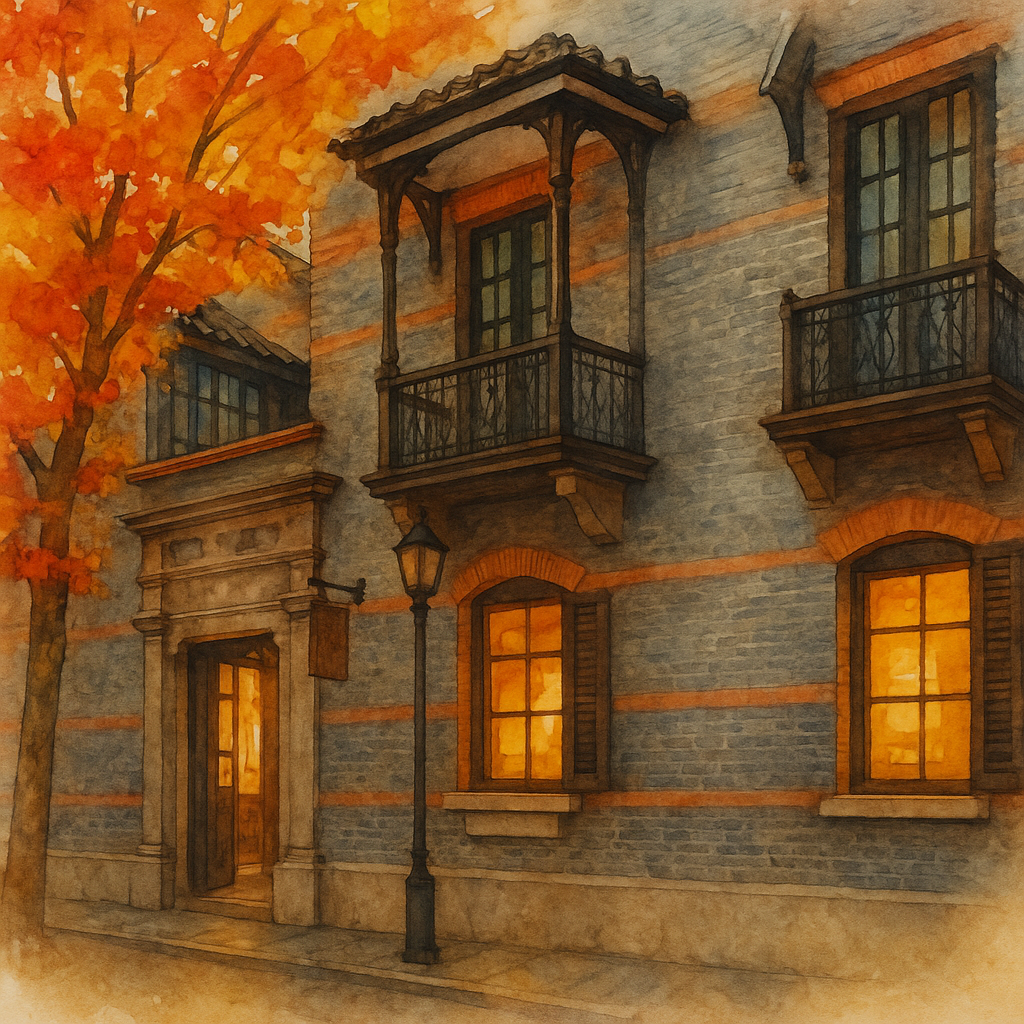
The neighborhood’s architectural identity centers on Shikumen (石库门, literally “stone gate”) – a uniquely Shanghai building style that emerged in the 1870s during turbulent times when wealthy residents of the Jiangsu and Zhejiang provinces fled to the safety of foreign concessions. Foreign developers constructed these elegant hybrid residences blending Jiangnan (Yangtze River South) architectural traditions with Western design influences, creating row houses featuring distinctive granite-framed doors, solid wooden door leaves painted black, and intricate stone carvings.
By the late 20th century, these historic Shikumen buildings had deteriorated into slums. In 1998, Hong Kong developer Vincent Lo and American architect Benjamin Wood envisioned transforming the decaying neighborhood into a lifestyle complex. Rather than demolishing everything, architects preserved approximately 100 original Shikumen houses while gutting their interiors and creating the modern shopping, dining, and entertainment venue that opened in 2001.
The result is precisely calibrated contradiction – externally, beautifully restored facades recall old Shanghai’s 1920s-1930s elegance, while internally, glass storefronts display luxury brands and intimate bars serve premium cocktails. This “living museum” approach, honored with the American Institute of Architects’ Cultural Heritage Architecture Award in 2002, sparked both admiration for cultural preservation and criticism for inauthenticity compared to more genuine neighborhoods like nearby Tianzifang.
Yet this curated quality is precisely what draws residents and visitors. Walking Xintiandi’s pedestrian streets lined with plane trees, you encounter an almost surreal juxtaposition: authentic 1920s Shanghai architecture housing Gucci, Prada, Dior, and a constellation of international restaurants and bars. It’s Shanghai sanitized for global luxury consumption – immaculately maintained, 24-hour private security everywhere, no street vendors or authentic grit, just pure polished elegance.
Housing: Luxury Living at Premium Prices
Xintiandi stands as mainland China’s most expensive residential neighborhood, commanding prices 30-50% above even Shanghai’s other luxury districts. Housing options cluster into distinct categories reflecting Xintiandi’s unique character.
Restored Shikumen Lane Houses represent the most authentic option, though availability remains limited. These traditional two or three-story stone-gated residences have been completely gutted and rebuilt with modern interiors while preserving original facades. Typically 60-170 square meters, these properties rent from ¥8,500 to ¥33,000 per month depending on size and specific features. The romantic appeal of living in historic architecture attracts residents seeking something more characterful than standard apartments, though small floor areas and steep staircases appeal primarily to couples without children.
Luxury Serviced Apartments dominate Xintiandi’s residential market, offering high-end furnished units with hotel-style management. The flagship option is Lanson Place, a premium serviced apartment line offering 1 to 3-bedroom units ranging from 78 to 170 square meters at ¥25,000 to ¥47,000 monthly. These apartments target executives on expatriate packages, providing housekeeping twice weekly, linen changes, 24-hour concierge, and maintenance services typically associated with luxury hotels.
Lakeville Apartments, a highly sought-after development within Xintiandi, represents premium positioning with 2 to 3-bedroom units (170-202 square meters) ranging from ¥29,000 to ¥38,000 monthly. These modern apartments offer high-floor positioning with views across the French Concession or toward Huangpu River and Pudong’s skyline.
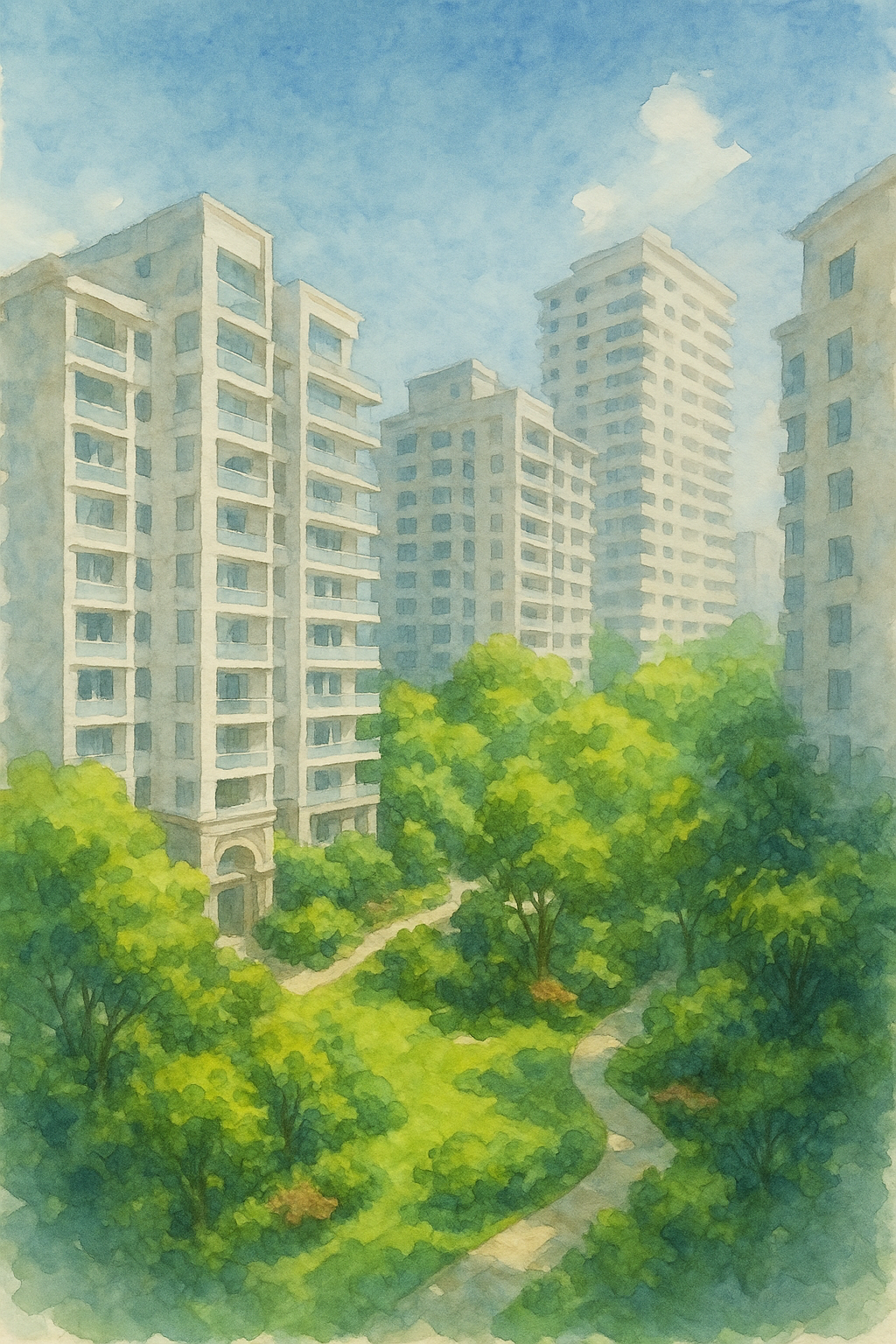
Other Premium Options include Dynasty Garden (¥11,000-¥15,000 for 3-bedrooms), New Westgate Garden (¥12,900 for 2-bedrooms), and various individual properties ranging from ¥8,500 for compact studio lane houses to ¥47,000 for premium luxury serviced apartments. Generally, one-bedroom apartments average ¥16,000 monthly, two-bedroom units ¥19,000-¥29,000, and three-bedroom units ¥34,000-¥38,000.
For context, these rental rates exceed comparable properties elsewhere in Shanghai by approximately 40-50%, reflecting premium positioning and the desirability of Xintiandi addresses. However, landlords occasionally offer negotiations, and some below-market options exist in surrounding French Concession areas while maintaining proximity to Xintiandi’s amenities.
Daily Life: Unparalleled Dining, Shopping, and Nightlife
Xintiandi’s raison d’être is indulgent living – exceptional dining, sophisticated drinking, luxury shopping, and cultural experiences concentrated within easily walkable blocks.
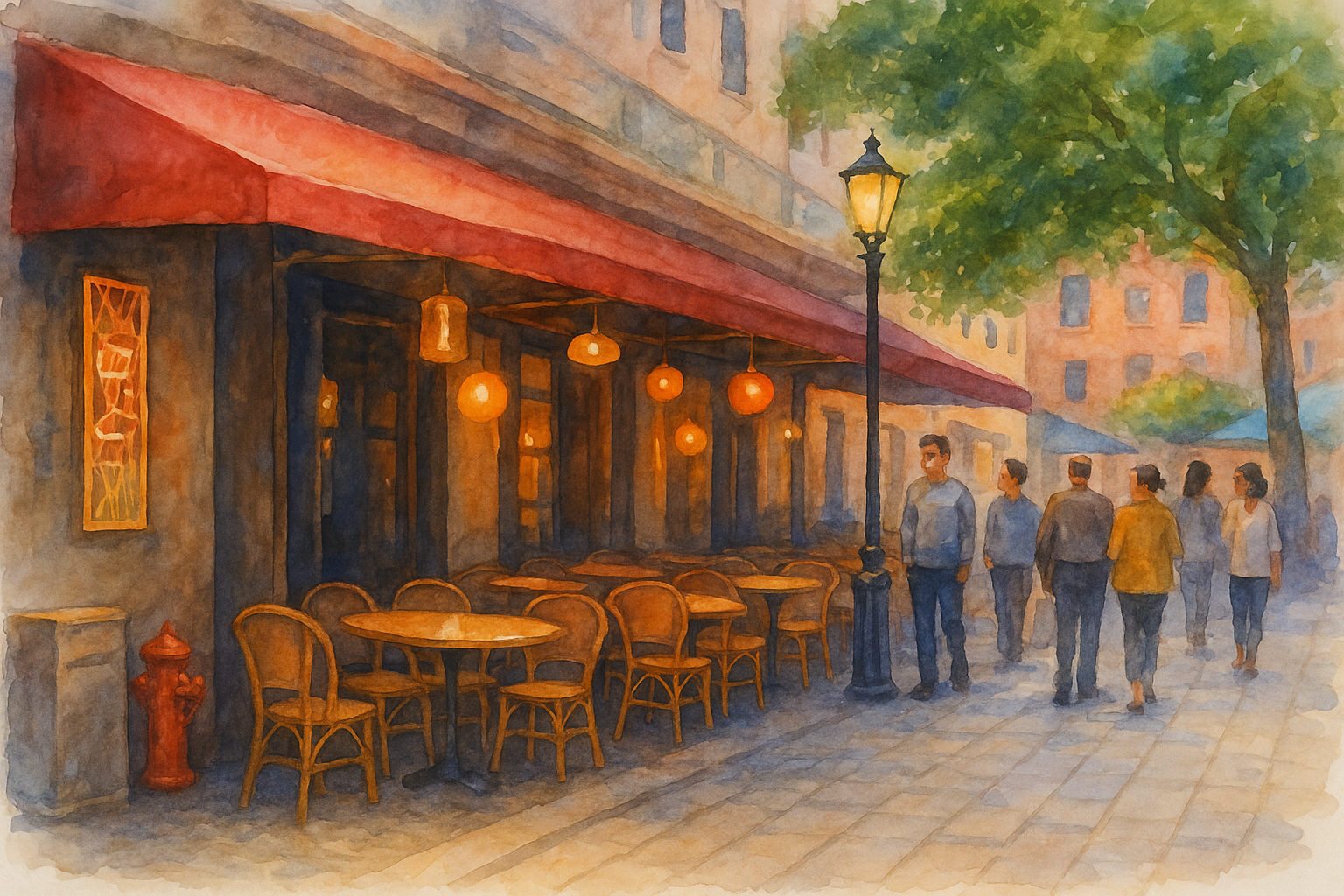
Dining and Nightlife transform Xintiandi’s streets into an open-air luxury restaurant complex. Every significant global cuisine finds representation: authentic Cantonese dim sum, sophisticated French bistros, Italian trattorias, Japanese izakayas, innovative fusion concepts, and countless international fine-dining establishments. Most restaurants feature both indoor and stylishly designed outdoor seating arranged along pedestrian passages, creating the impression of dining in a sophisticated European plaza.
The neighborhood pioneered outdoor dining expansion in Shanghai, transforming sidewalks and plazas into consumer spaces well before other districts followed. This innovation now attracts 150,000 average daily visits during summer months, nearly doubling sales compared to previous years. Outdoor tables fill throughout evening hours, with service continuing until 2 AM on weekends.
Jazz and Live Music provide cultural soul to Xintiandi’s night economy. The legendary CJW Jazz Bar, nestled within Xintiandi’s intimate lanes, offers live jazz performances accompanied by premium cigars, scotch, and merlot in a refined atmosphere. Though notorious for steep prices (wines from ¥450 upward, cocktails ¥110+), the venue attracts serious jazz devotees and romantics seeking sophisticated evenings. The Brewer, a gastropub specializing in craft beers, offers alternative nightlife options.
Live cultural performances – jazz bands, samba dancers, string quartets – regularly transform Xintiandi’s streets into open-air concert halls, particularly during summer months. These performances, combined with outdoor dining and art exhibitions, create immersive evening experiences beyond standard shopping and dining.
Shopping along Xintiandi and adjoining Huaihai Middle Road encompasses every luxury brand imaginable. The massive i.t blue block flagship at Xintiandi Plaza displays over 50 international and local fashion labels across nearly 3,000 square meters with innovative blend of traditional Shikumen and modern industrial design. Harmay, an immersive beauty retail experience, presents skincare and cosmetics within unique warehouse-style architecture.
Huaihai Middle Road itself, extending eastward from Xintiandi, represents one of world-class shopping boulevards with tree-lined avenues flanked by Hermès, Tiffany & Co., Longchamp, Cartier, Coach, Gentle Monster, UNIQLO, and countless independent boutiques. The boulevard perfectly balances architectural charm – featuring tree arches, restored colonial buildings, and pedestrian-friendly design – with contemporary retail elegance.
Cafes and Coffee Culture flourish throughout the neighborhood, particularly along adjacent Taikang Road in the French Concession fringes. Upscale cafes cater to professionals conducting business meetings, tourists lingering with cappuccinos, and locals seeking quality coffee culture. Popular venues like HAUS NOWHERE attract crowds for croissants and specialty coffee in photogenic settings.
Services and Amenities align with luxury positioning – boutique fitness studios, high-end spas, private medical clinics, English-language bookstores, art galleries, and designer brand boutiques dominate the retail environment. Everything required for refined urban living exists within walking distance.
Transportation and Urban Connectivity
Xintiandi’s location places you at Shanghai’s geographic and functional heart, with extraordinary metro connectivity and proximity to major districts and attractions.
Metro Access provides multiple options through Lines 10 and 13. Xintiandi Station on Line 13 offers direct connections throughout the city: reaching Middle Huaihai Road takes just 2 minutes, People’s Square approximately 8-10 minutes, and virtually any downtown destination within 15-25 minutes. Line 10 stops near Huangpi Road provide alternative routing with comparable travel times.
Operating hours from 5:28 AM to 12:02 AM (next day) enable both morning commutes and late-night returns from neighborhood nightlife. 10-minute frequencies during peak periods ensure minimal waiting.
Walkability and Proximity to major attractions make Xintiandi exceptionally convenient without metro. The Bund lies approximately 1.5 kilometers (20-minute walk) or brief taxi ride northward. People’s Square sits directly north across Yan’an Road, accessible on foot in 15-20 minutes. Yuyuan Garden and the Old Town lie 1.5-2 kilometers southward. Fuxing Park, featuring 92,000 square meters of French-style gardens, sits directly adjacent.
Pedestrian District Character transforms daily life – shopping, dining, socializing, and cultural activities occur on foot within compact blocks. This walkability distinguishes Xintiandi from suburban neighborhoods requiring cars or frequent metro use, creating spontaneity and discovery rare in sprawling Shanghai.
Taxi and Ride-sharing services remain available for longer distances, though unnecessary for daily Xintiandi living. Traffic congestion on adjacent Huaihai Road can be severe during peak hours, making metro preferable despite proximity.
Cultural Attractions and Historical Significance
Xintiandi transcends mere shopping and dining through authentic historical and cultural significance centered on Chinese Communist Party founding.
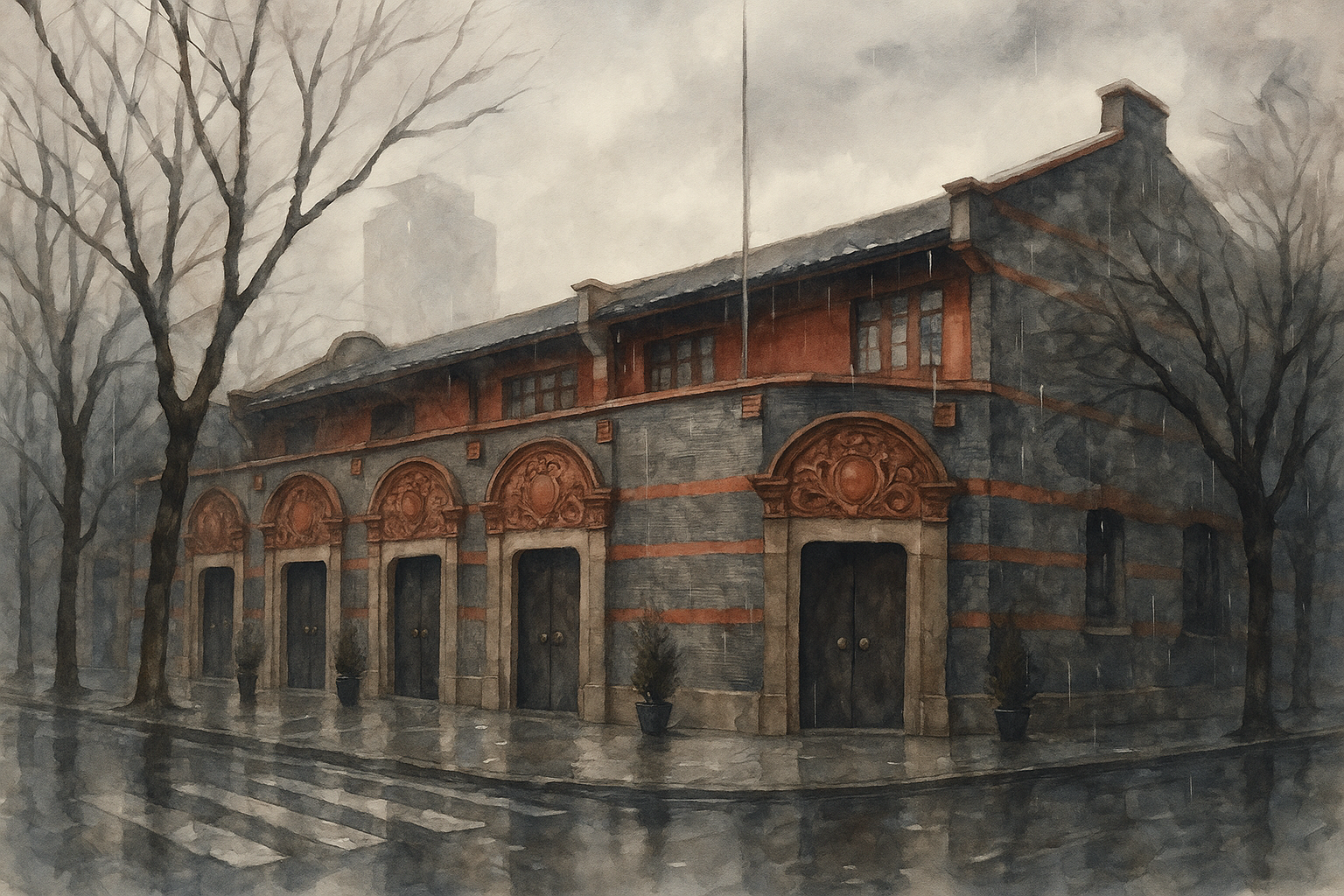
The Site of the First National Congress of the Chinese Communist Party occupies a beautifully preserved Shikumen building on Xingye Road, literally steps from Xintiandi’s main plaza. Between July 23-30, 1921, thirteen delegates representing barely 57 Communist Party members gathered in this 18-square-meter room to formally establish the Chinese Communist Party and elect Chen Duxiu as Secretary. The French Concession police’s harassment forced the meeting to relocate to a boat on South Lake in Jiaxing for conclusion.
The museum combines reconstructed meeting rooms (the downstairs area where delegates gathered remains preserved as arranged during the 1921 Congress), extensive exhibition halls with over 100 revolutionary relics and documents, photographs of the thirteen founders, lifelike wax figures depicting the actual congress proceedings, and comprehensive displays covering the Party’s founding and nationwide communist organizing. Receiving 1.8 million annual visitors in recent years, this site anchors Xintiandi’s historical significance beyond mere commercialism.
This proximity transforms Xintiandi from trivial shopping district into a historically significant location – living where Chinese communism officially founded provides profound context, particularly for Chinese visitors and serious history students.
The Former French Concession broadly encompasses Xintiandi and surrounding neighborhoods, with numerous historical residences representing revolutionary figures. Walking tours typically combine Xintiandi with visits to Former Residence of Dr. Sun Yat-sen, Former Residence of Zhou Enlai, Sinan Mansions (an area where only Western-style villas were constructed during the concession era), and Communist Party Historical Buildings.
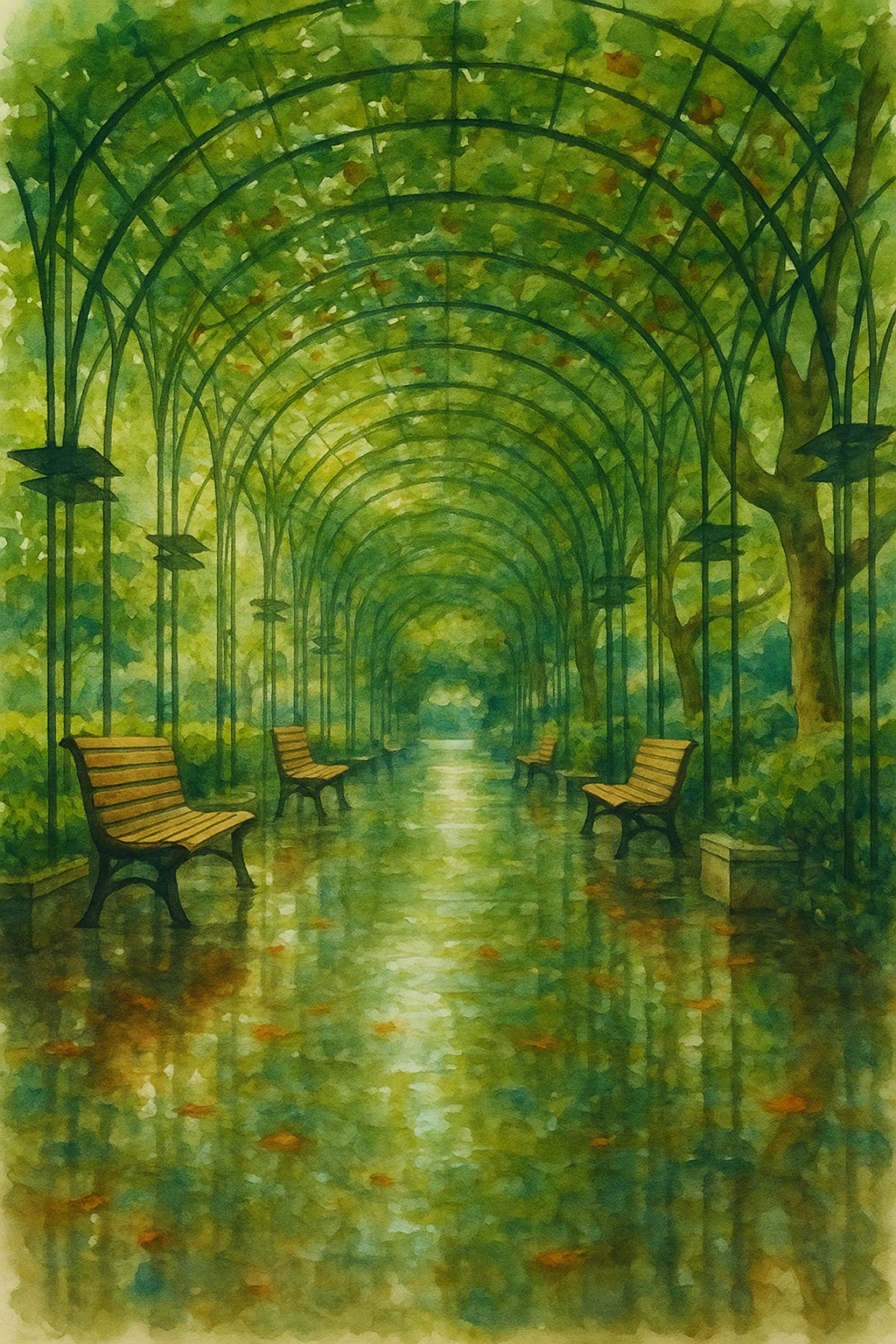
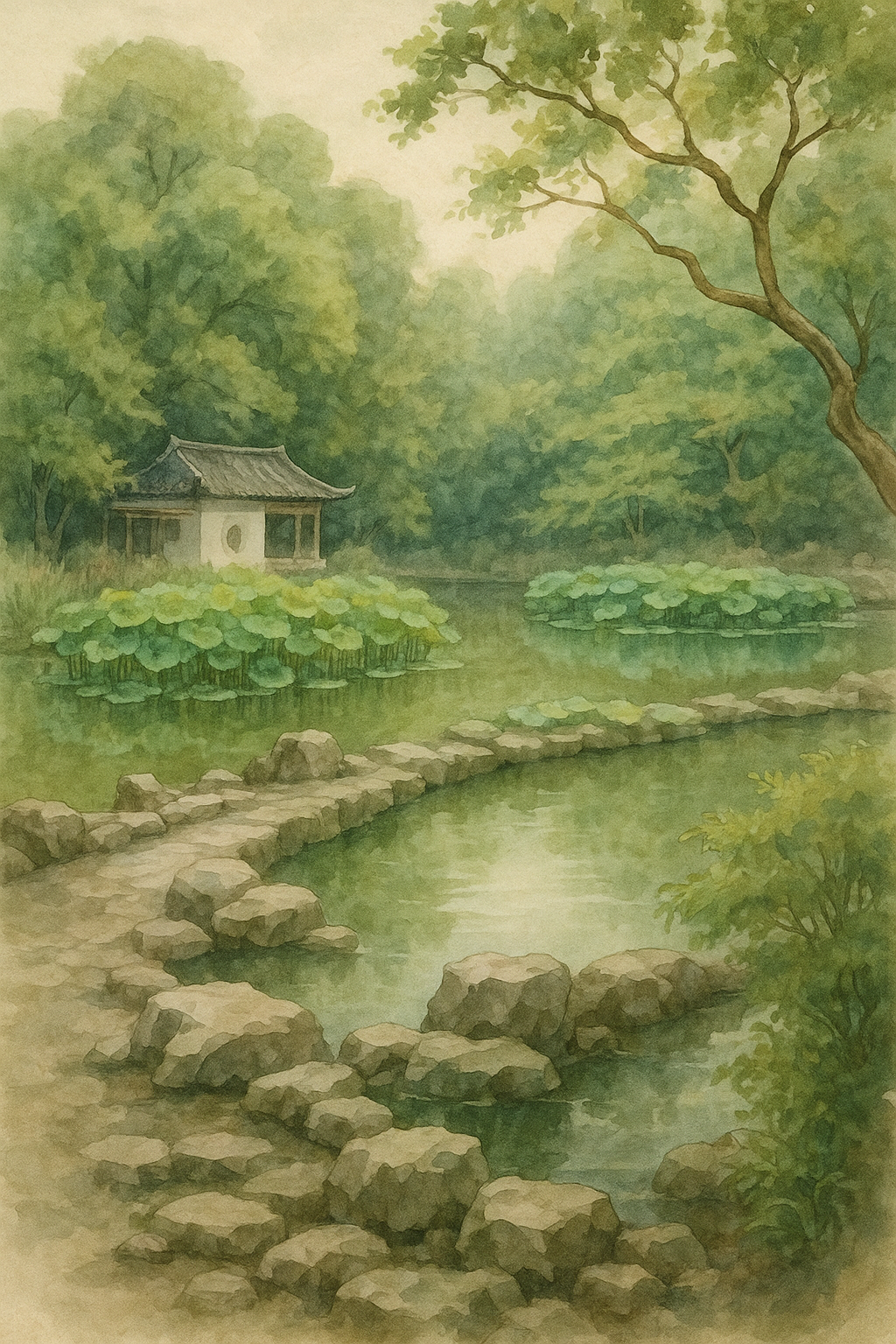
Fuxing Park, adjacent south of Xintiandi, preserves another layer of Shanghai history – originally a private Ming Dynasty garden, reimagined as a public park during French occupation in 1909. The park’s 92,000 square meters combine French classical design (Carpet Flower Bed, Central Fountain Pool, Rose Flower Bed) with Chinese elements (Rockery, Lotus Pond, winding paths). A six-meter-tall bronze statue of Karl Marx and Friedrich Engels commemorates Engels’ death centenary. Early morning visits reveal tai chi practitioners, card players, and mahjong enthusiasts enjoying peaceful green space rare in central Shanghai.
Practical Considerations: Cost, Noise, and Lifestyle Reality
Cost of Living in Xintiandi demands honest assessment. Housing represents just the beginning – daily expenses for those accustomed to luxury standards escalate dramatically compared to other neighborhoods.
Meals at Xintiandi restaurants easily exceed ¥200-¥500 per person at established venues, double or triple comparable meals in less prestigious neighborhoods. Premium cocktails cost ¥110-¥200. Coffee at fashionable cafes reaches ¥50-¥80. Shopping venues establish prices for affluent clientele, making retail experiences considerably more expensive than elsewhere in Shanghai.
However, Xintiandi’s prestige commands premium pricing precisely because residents and visitors accept these costs as part of the lifestyle experience. The neighborhood isn’t designed for budget-conscious relocation – it explicitly targets affluent professionals, executives on generous expatriate packages, and luxury travelers willing to pay substantially for convenience, prestige, and lifestyle quality.
Noise and Congestion present real daily challenges despite Xintiandi’s curated elegance. The pedestrian streets thrive 24/7 with tourists, diners, and revelers, creating ambient noise throughout evenings and weekends. Weekend evenings and holiday periods bring crowds sufficient to impede comfortable walking.
Huaihai Road’s vehicle traffic creates constant congestion, with corresponding noise, exhaust, and pollution affecting adjacent residences. Reviews from luxury hotel residents in Xintiandi consistently note noise complaints, particularly on mid-range floors where traffic sounds penetrate despite modern windows. Serious noise-sensitive individuals should request high-floor positioning.
Restaurant and bar operations until 2-3 AM create neighborhood sound throughout night hours. Living in Xintiandi requires accepting that your neighborhood transforms into the city’s premier nightlife district after sunset.
Reduced Authenticity and Isolation concerns deserve serious consideration. Some long-term Shanghai residents criticize Xintiandi as a “Disney version” of old Shanghai – sanitized, manicured, fundamentally inauthentic despite beautiful architecture. The complete absence of local residential character, local Chinese restaurants, mom-and-pop shops, or genuine street life contrasts sharply with neighborhoods like Tianzifang (nearby but more authentically preserved) or working-class lanes throughout Shanghai.
This sterility, while ensuring safety, cleanliness, and international standards, creates a somewhat artificial environment. International residents speak English, restaurants cater to Western palates, service providers anticipate expat preferences – you can comfortably live in English with minimal Chinese language necessity.
Family Considerations deserve reflection. While some families successfully raise children in Xintiandi, the neighborhood lacks the family infrastructure, parks, schools, and child-centric community of Jinqiao or suburban areas. The area’s emphasis on nightlife, dining, and sophisticated adult activities creates natural friction with family lifestyles. Noise levels, crowded pedestrian streets, and lack of genuine green spaces pose challenges for young children.
Conversely, older children and teenagers enjoy exceptional cultural access – museums, art galleries, international restaurants, world-class schools proximity, and walkable urban sophistication.
Security and Safety rank exceptionally high – 24-hour private security, well-maintained facilities, police presence, and curated clientele create environments with minimal crime concern. This stands among Xintiandi’s compelling advantages for those valuing absolute safety.
Tianzifang: The More Authentic Alternative
Adjacent to Xintiandi lies Tianzifang, a less-polished but far more authentic neighborhood preserving original Shikumen architecture with functioning local character. The winding alleyways house 200+ small businesses – artist studios, independent galleries, quirky cafes, vintage boutiques, craft shops – creating genuinely lived-in atmosphere rather than Xintiandi’s curated polish.
Many expats actually prefer Tianzifang’s authenticity and lower costs while accessing Xintiandi’s amenities just minutes away. Walking Tianzifang’s narrow lanes lined with local residents, you encounter the Shanghai of actual Shanghainese rather than international tourists and luxury shoppers.
However, Tianzifang’s popularity has transformed it significantly – it now ranks among Shanghai’s top tourist destinations with corresponding crowds, especially weekends. The narrow lanes become practically impassable with tour groups, reducing atmospheric appeal compared to quiet weekday mornings.
Making Xintiandi Work for Your Shanghai Life
Xintiandi appeals to specific resident profiles: young professionals prioritizing career positioning, luxury-accustomed executives with generous expatriate packages, couples seeking sophisticated urban nightlife and dining without suburban compromise, and those for whom prestige and walkability outweigh cost considerations.
The neighborhood doesn’t accommodate budget-conscious residents, families prioritizing children’s needs, those seeking authentic Chinese cultural immersion, or anyone uncomfortable with constant crowds and noise.
However, for those matching the neighborhood’s target profile, Xintiandi delivers uncompromised urban sophistication. You’ll walk to Michelin-starred restaurants, luxury shops, world-class jazz bars, and historical monuments of genuine significance. You’ll conduct business meetings at the world’s most prestigious address in Shanghai. You’ll experience both 1920s Shanghai elegance and 21st-century cosmopolitan culture simultaneously.
Spend time in Xintiandi before committing. Dine at the restaurants you’d frequent, walk the streets during both day and peak evening hours, imagine navigating the crowded pedestrian passages daily, and honestly assess whether the premium pricing aligns with your professional and personal priorities.
If Xintiandi’s combination of prestige, walkability, cultural richness, and cosmopolitan lifestyle appeals more than suburban family comfort or emerging-neighborhood discovery, you’ve found your Shanghai home. Welcome to the neighborhood where yesterday’s Shanghai elegantly meets tomorrow’s luxury urbanism.
Join The Discussion