
Huacao and Xujing: Shanghai’s Western Suburban Haven for International Families
Welcome to Huacao and Xujing, the western counterparts to Pudong’s Jinqiao and Shanghai’s fastest-growing international communities. If you’re seeking a family-oriented neighborhood that combines spacious living, top-tier international schools, and unparalleled connectivity to China’s high-speed rail network – all while maintaining that essential suburban tranquility – these neighboring areas in Shanghai’s western suburbs deserve your full attention.
The Neighborhood Character: Puxi’s Answer to Jinqiao
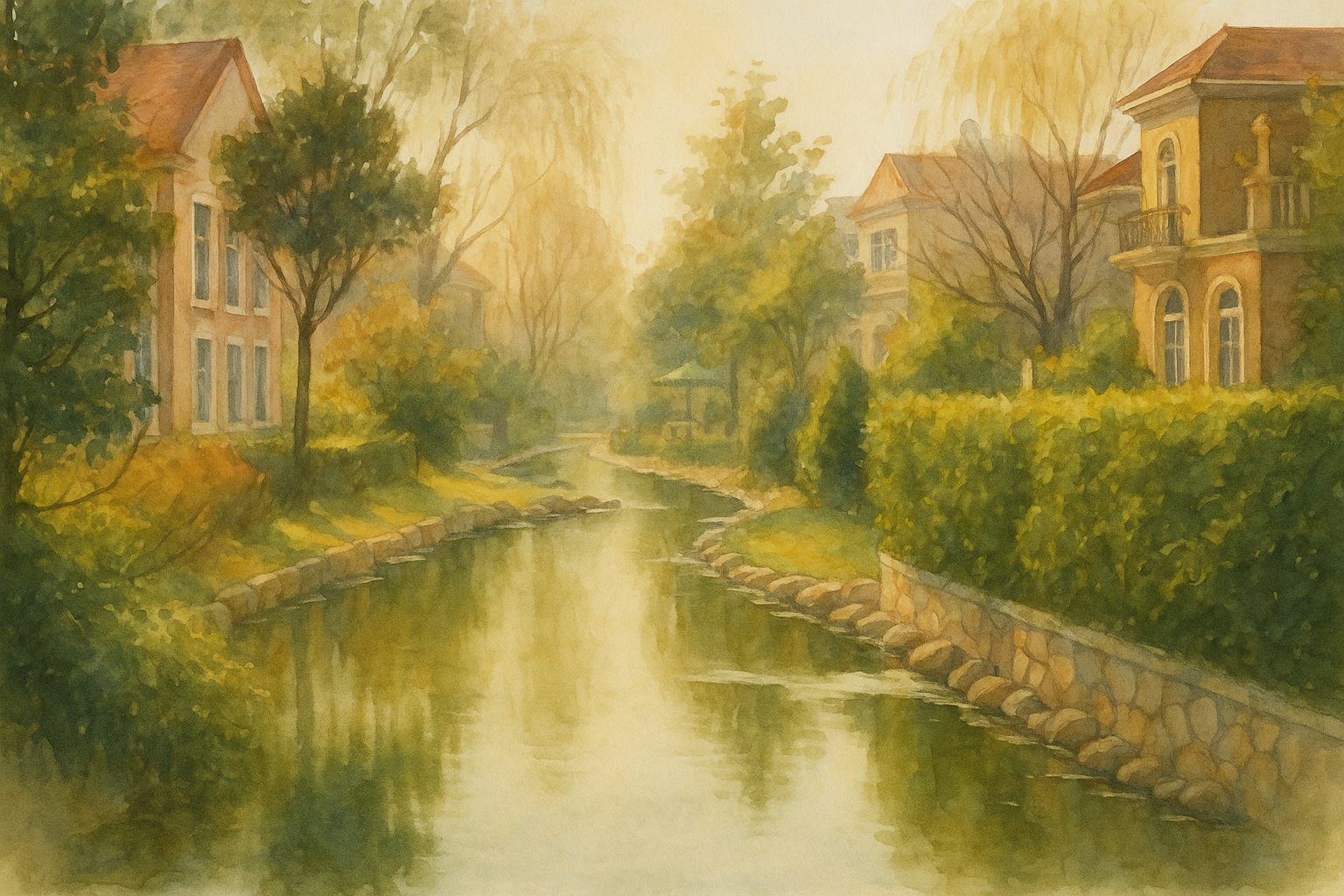
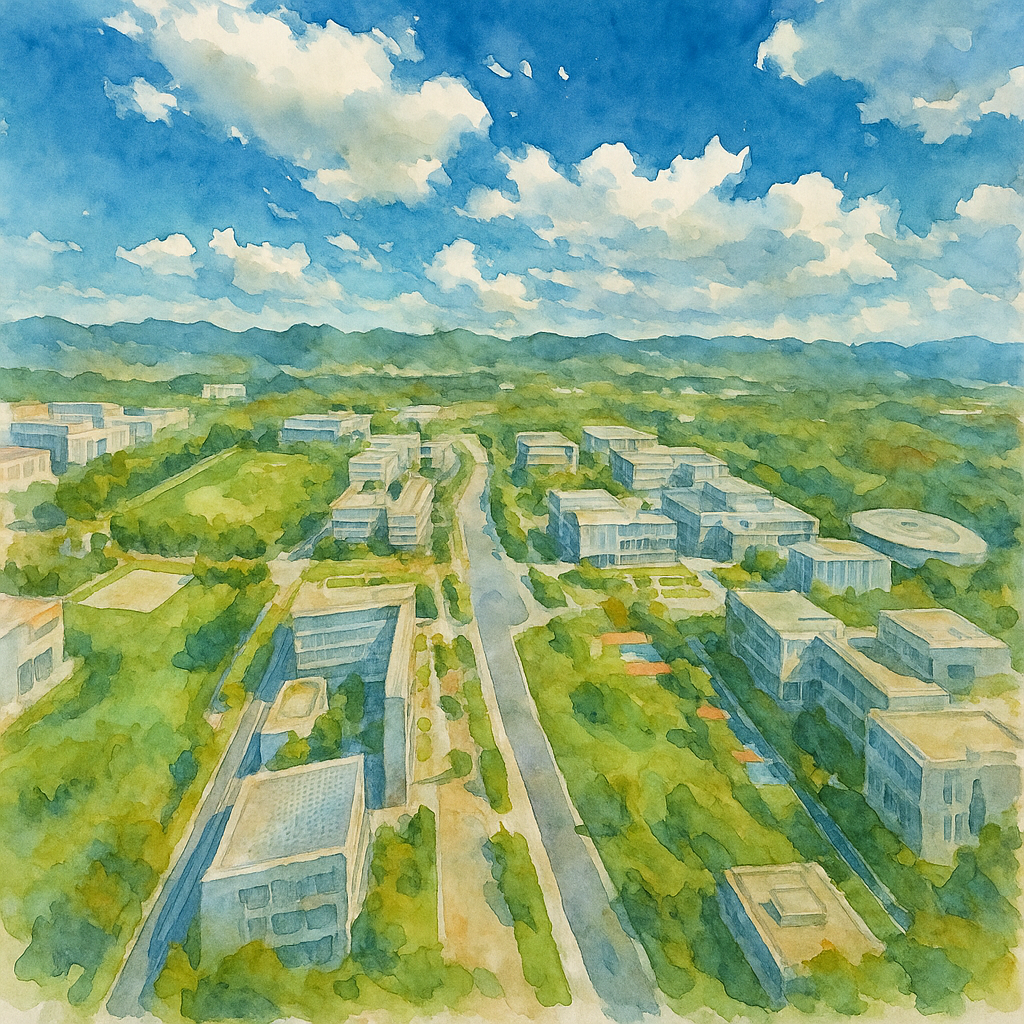
Huacao and Xujing represent Puxi’s deliberate response to Pudong’s tranquil Jinqiao residential area, experiencing rapid development over the past fifteen years. What began as a single-intersection town centered around the American School has blossomed into a bustling expat enclave housing over 16,000 expats from more than 120 countries.
Located in Shanghai’s western districts – Huacao in Minhang District and Xujing in Qingpu District – these areas form part of the ambitious Hongqiao International Central Business District (CBD), a massive 151.4 square kilometer development zone transforming western Shanghai into a counterweight to Pudong’s eastern dominance. The scale of this transformation is staggering: the entire network of China’s high-speed rail lines converges at the nearby Hongqiao Transportation Hub, making Beijing just 4 hours 38 minutes away at speeds reaching 350 kilometers per hour.
The neighborhoods benefited enormously when longstanding municipal border disputes were finally resolved with the completion of Metro stops at East Xujing and Panlong Road, linking the previously canal-separated areas. This infrastructure improvement catalyzed exponential growth in residential development, retail options, and community amenities.
Walking through Huacao today, you’ll notice the area’s deliberate planning for international families. With 13 international communities in Huacao alone hosting over 9,000 expats from nearly 80 countries, the neighborhood infrastructure – from bilingual signage to Western-style supermarkets – reflects this multinational character. The Huacao International Community Center (HICC), established in 2023, serves as a focal point for cross-cultural integration, offering consultations, foreign-related services, leisure activities, and education programs.
Education Excellence: World-Class Schools at Your Doorstep
The concentration of internationally-recognized schools represents Huacao and Xujing’s greatest draw for expat families, rivaling even Jinqiao’s impressive educational offerings.
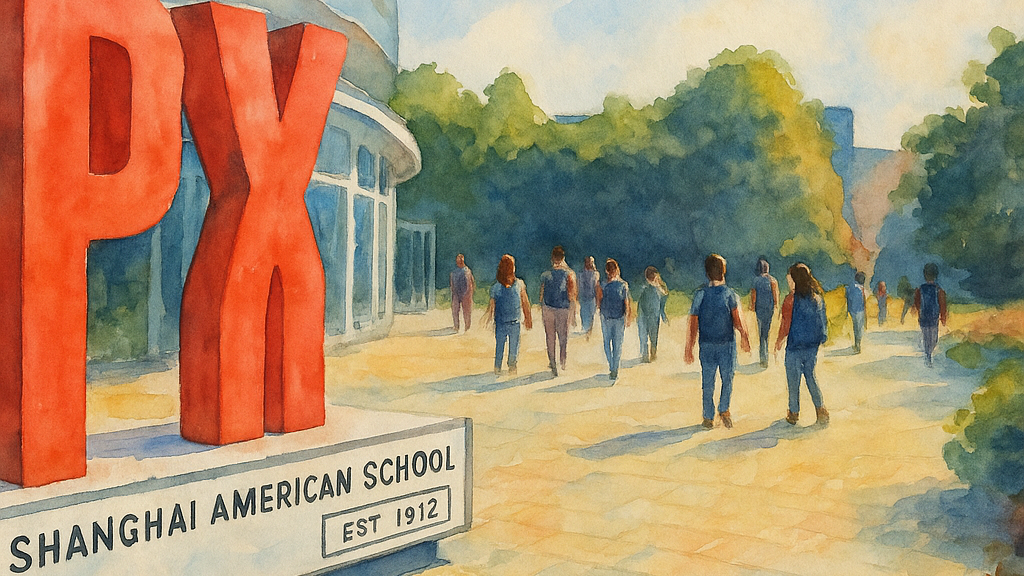
Shanghai American School (SAS) Puxi Campus stands as the crown jewel of Huacao’s educational landscape. Located at 258 Jinfeng Road in Huacao Town, SAS is China’s largest and oldest international school with more than 3,000 students from 40 countries. Founded in 1912, this makes SAS an integral part of Shanghai’s history. The school offers education from age 3 through grade 12, following American curriculum standards including Advanced Placement (AP) and SAT preparation. An impressive 98 percent of SAS graduates move on to colleges and universities of their choice around the world. Annual tuition ranges from ¥140,000 to ¥228,500, reflecting the school’s top-tier positioning.
Western International School of Shanghai (WISS), located at 555 Lianmin Road in Xujing Town, Qingpu District, holds the unique distinction of being the first and only four-programme International Baccalaureate Organization (IBO) World School in China. WISS offers all three IB programmes – Primary Years Programme (PYP), Middle Years Programme (MYP), and Diploma Programme (DP) – providing a seamless IB education from nursery through grade 12. The school emphasizes inquiry-based learning with individualized student pathways, and is particularly renowned for its Chinese language programme offering both Chinese as a First Language (CFL) and Chinese as an Additional Language (CAL).
Shanghai Singapore International School and British International School Shanghai round out the impressive international school offerings in the immediate area. This concentration creates the same beneficial community effect seen in Jinqiao – school drop-offs become networking opportunities, and children develop lasting friendships with neighbors attending the same institutions.
The proximity of multiple world-class schools within walking or short driving distance allows families to choose educational philosophies that best match their children’s needs without sacrificing neighborhood stability.
Housing: Resort-Style Living in Suburban Tranquility
Huacao and Xujing offer exceptional housing options characterized by spacious layouts, resort-style amenities, and competitive pricing compared to central Shanghai locations.
Shanghai Racquet Club & Apartments represents the pinnacle of expat living in the area and serves as the social heart of the community. Located at Lane 555 Jinfeng Road in Huacao Town, this French Mediterranean-style community occupies 157,096 square meters with clubhouse facilities covering 10,605 square meters. The development comprises two phases with 25 buildings total, offering two to five-bedroom apartments and duplexes ranging from 260 to 450 square meters.
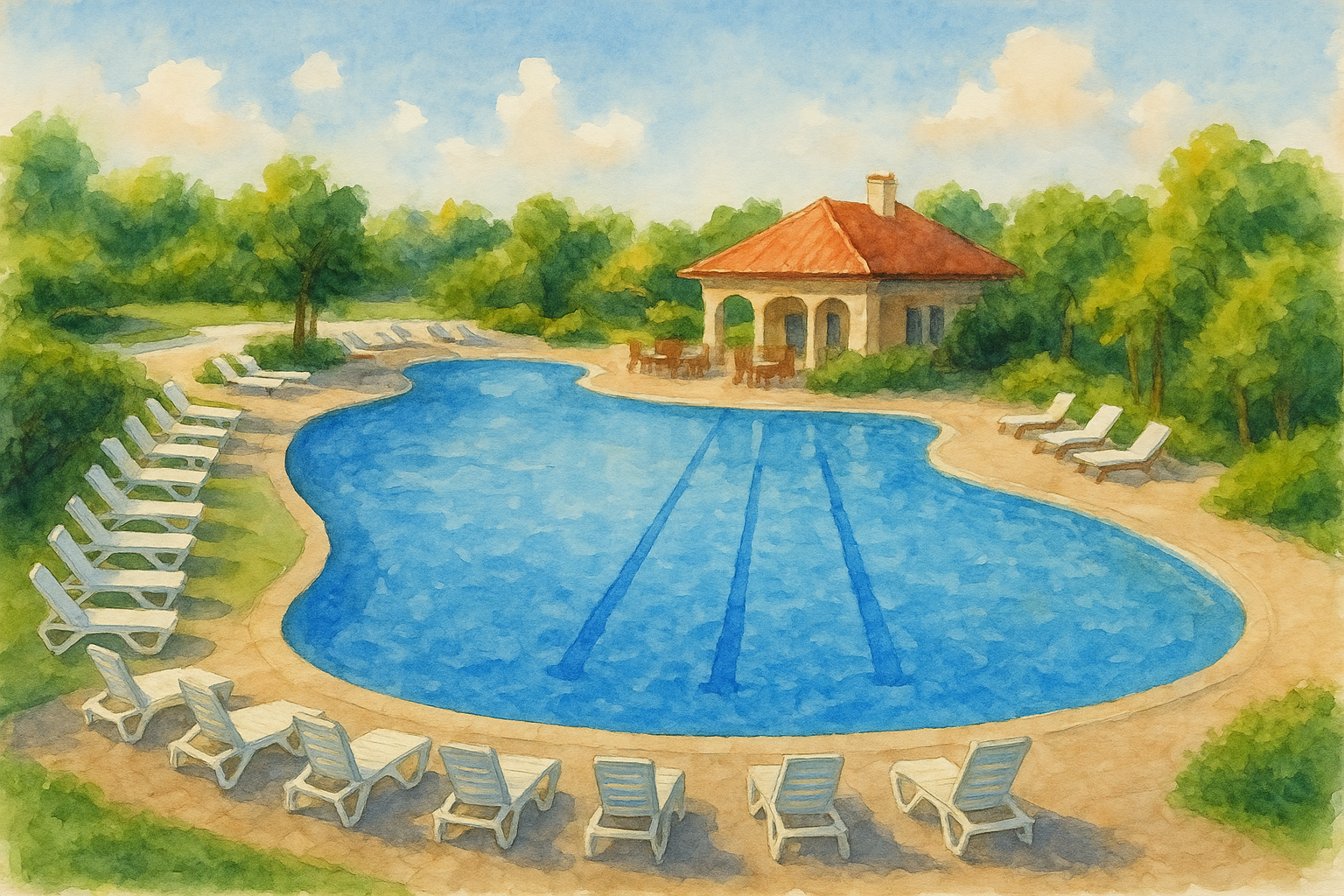
The resort-style facilities are truly exceptional: six indoor and seven outdoor tennis courts with Har-Tru Clay hard court surfaces, a large outdoor swimming pool with sandy beach area and jacuzzis, a beautiful indoor pool, squash courts, basketball and badminton areas, beach volleyball, fully-equipped fitness center, aerobics studio, billiard and game room, supervised childcare center, children’s playground, Dragonfly Therapeutic Retreat with hair and nail salon, grocery and deli store, on-site medical clinic, casual and fine dining restaurants, a pub, comfortable locker rooms and lounges, and even a library. Monthly rents range from ¥21,000 to ¥45,000 depending on size and specific unit.
While membership to the Shanghai Racquet Club costs approximately $10,000 USD per year for families, it’s considered essential if living in the area – even residents of other compounds often purchase memberships for access to the superior facilities. The club offers professional tennis programs, round robins, academies, and private lessons, all run by resident international professionals.
Xi Jiao Huacheng Villa Compound on Gaojing Road offers another attractive option, particularly for families wanting larger private gardens. Villas here feature 300 square meters of living space with 4 bedrooms, 3 bathrooms, huge gardens, and high ceilings with abundant natural light. Monthly rents average around ¥30,000. The compound provides comprehensive membership facilities including swimming pool, gym, tennis and basketball courts, and extensive green spaces.
Kingdom Park represents the newest luxury villa option, completed in early 2016 in neighboring Zhudi Town. This brand-new compound features 89 freestanding villas ranging from 680 to 1,500 square meters, with 18 houses designated for rental. These extraordinary homes come equipped with rare amenities like elevators (extremely uncommon in Shanghai villas), centralized air-conditioning, floor heating systems, and centralized water filtration. The onsite clubhouse provides gym, sauna, and indoor swimming pool facilities. Monthly rents range from ¥32,000 to ¥60,000 depending on size.
Additional villa compounds include Westwood Green Villa, Leewah Garden Villas, Roselane, and Risen Garden, offering 3 to 6 bedroom configurations with extensive amenities and green spaces. Most compounds feature 24-hour security, management offices, and comprehensive facilities rivaling private country clubs.
Apartment options, while less common than in Jinqiao, offer more affordable alternatives with monthly rents ranging from ¥9,000 to ¥15,000 for well-maintained units. These typically provide 95 to 150 square meters of living space in modern buildings with standard amenities.
Daily Life: Shopping, Dining, and Conveniences
Huacao and Xujing have evolved dramatically in retail and dining offerings, though they still lag slightly behind Jinqiao’s more established infrastructure.
Shopping centers on the massive Carrefour complex on the Xujing side, long serving as the area’s primary Western-style supermarket for international products. This French hypermarket stocks the full range of imported goods expats require, from European cheeses to Australian wines. However, construction is underway on a major mall and lifestyle center in Huacao’s town center that promises to significantly enhance the retail landscape, similar to what transformed Jinqiao a decade ago.
FengShang Shopping Center, located just 5 minutes’ walk from Shanghai Racquet Club, provides convenient access to additional retail, dining, and entertainment options. The area also benefits from proximity to Shanghai Outlets for luxury and designer shopping.
The National Exhibition and Convention Center (NECC), the world’s largest single-block building and exhibition complex with nearly 1.5 million square meters of space, stands as a landmark just minutes away. Located at 333 Songze Avenue in Qingpu District, the NECC’s massive four-leaf clover design houses exhibition halls, commercial plaza, office buildings, and the InterContinental Hotel. The opening of the NECC has brought upscale dining and entertainment options to the area through the attached InterContinental Hotel complex, addressing what was previously a significant gap.
Dining options blend international and Chinese cuisines, though with less variety than more central neighborhoods. Huacao’s restaurant scene includes Chinese regional specialties – Cantonese seafood at Jin GuYuan, Chongqing hot pot, Korean BBQ at QingWa Fang, and local Shanghai cuisine at Xiang Nong Shi Fang. Western options remain more limited than in Jinqiao or downtown areas, making the restaurants at Shanghai Racquet Club and the InterContinental Hotel particularly valuable for expat families.
Panlong Tiandi in Xujing Town offers a unique dining and entertainment experience. This comprehensive block integrates water town heritage with art, humanities, and leisure facilities, featuring a restored Ming and Qing Dynasty architectural style along 1.5 kilometers of waterways. The area provides pet amusement parks, equestrian fields, outdoor camps, and rowing facilities, creating a popular check-in destination for family outings.
Services tailored to international residents continue expanding. The Huacao International Community Center offers the City News Service (CNS) platform integrating 13 government services including work permits and health checks, together with housing, education, and cultural event information. This one-stop service helps newcomers adapt more smoothly to Shanghai life.
Medical Care and Healthcare Facilities
Healthcare infrastructure in the Huacao-Xujing area has improved significantly with recent developments in the Greater Hongqiao region.
Parkway Shanghai Hospital, a 450-bed state-of-the-art tertiary care hospital opened in 2023 in New Hongqiao, represents a major advancement in international-standard healthcare for western Shanghai residents. This facility offers comprehensive specialties including cardiology, cardiac surgery, gastroenterology, urology, minimally invasive surgery, general surgery, and internal medicine.
DeltaHealth Hospital·Shanghai, Shanghai’s first wholly foreign-owned hospital in Hongqiao, received its operating license in March 2025, further expanding international medical options. These facilities join the planned Shanghai New Hongqiao International Medical Center, a massive 948,000 square foot, 8-story shared facility with diagnostic suites, clinical laboratories, pathology labs, and state-of-the-art imaging capabilities.
Hongqiao Hospital International Medical Center at 2181 Hongmei Road provides comprehensive healthcare with multilingual staff speaking Chinese, Cantonese, English, French, Arabic, Turkish, and Tagalog. The center offers insurance direct billing and features advanced technology including capsule endoscopy for digestive tract diagnosis.
Tongren Hospital (Xianxia Road Campus) in the Hongqiao area operates as a Grade B tertiary hospital affiliated with Shanghai Jiao Tong University School of Medicine. This established facility provides comprehensive medical services with 14 doctoral supervisors and 16 master’s tutors.
For routine medical needs, the on-site medical clinic at Shanghai Racquet Club provides convenient access to basic healthcare. The concentration of international medical facilities continues growing as the Hongqiao CBD development progresses.
Transportation and Connectivity: The Hongqiao Advantage
The Huacao-Xujing area’s greatest competitive advantage lies in its extraordinary transportation connectivity, unmatched anywhere else in Shanghai.
Hongqiao Transportation Hub, just 6 kilometers from Xujing town and 10-15 minutes from most Huacao addresses, represents the world’s largest transportation complex. This massive facility integrates Hongqiao Airport (primarily domestic flights with some international service), Hongqiao Railway Station (high-speed rail terminus), intercity railways, long-distance buses, metro lines, public buses, taxis, and private vehicles into one seamless hub.
The high-speed rail network converging at Hongqiao enables unprecedented travel convenience. Beijing sits just 4 hours 38 minutes away at effective speeds of 350 kilometers per hour. When factoring in security differences, no boarding delays, and the speedy 15-minute taxi ride home versus navigating Pudong Airport’s infrastructure, high-speed rail often proves more convenient than flying for many domestic routes. Crucially, taxi lines at the high-speed rail terminal remain significantly shorter than Hongqiao Airport’s notorious 45-minute queues during peak evening hours.
Metro Access via Line 2 provides direct connections throughout Shanghai. East Xujing station serves as the closest metro stop to most Huacao addresses, offering 2.5-minute intervals during peak hours between Songhong Road and Guanglan Road. From East Xujing to central People’s Square takes approximately 35 minutes. The journey to Jing’an Temple requires about 28 minutes, while reaching Lujiazui Financial District takes roughly 40 minutes.
Line 2 operates from 5:28 AM to 12:02 AM (next day), with the last trains to East Xujing departing from downtown around midnight. The line directly connects Hongqiao Airport Terminal 2, Hongqiao Railway Station, and the National Exhibition and Convention Center, creating seamless transfers between air, rail, and metro transportation.
Panlong Road station on Line 17 provides alternative metro access for some compounds, though East Xujing remains the primary station for most residents.
Airport Access couldn’t be more convenient. Hongqiao Airport Terminal 2 sits just 3 kilometers from Huacao via taxi (approximately 10 minutes) or one metro stop on Line 2. Hongqiao primarily serves domestic routes with limited international flights, making it ideal for travel within China but requiring transfers through Pudong for most international destinations.
Pudong International Airport, while farther at approximately 60 kilometers, remains accessible via Line 2 metro (about 70 minutes) or taxi (about 60-70 minutes depending on traffic). The direct metro connection without transfers makes this commute straightforward despite the distance.
Road Access benefits from proximity to the Outer Ring Road and multiple expressways connecting to the broader Yangtze River Delta region. Major cities in the delta are reachable within 2 hours by car, while the convenient national highway network extends connectivity throughout eastern China.
Community Life and Cultural Integration
The international community in Huacao-Xujing fosters remarkable cross-cultural integration through organized events and informal social networks.
The Huacao International Community Center (HICC), established in September 2023, serves as the organizational hub for expat life. The center hosts over 100 activities annually designed to promote cultural exchange and community building. Recent events have included traditional Chinese clothing experiences, kite painting workshops, Chinese pastry making classes, xiaolongbao (soup dumpling) cooking lessons, and Lantern Festival celebrations.
The Shanghai International Family Day Carnival and Minhang District Happy Neighborhood Festival bring together residents from 78 countries and regions for massive community celebrations. These events feature Happy Neighborhood Markets, car trunk markets showcasing exotic handicrafts and specialty foods, Scottish Highland dancing, and international friendship cake-cutting ceremonies.
German restaurateur Joern exemplifies long-term expat integration, having first visited in the 1990s before settling permanently in Xujing. His bistro now blends Western classics with local dishes, becoming a popular dining spot frequented by both international and Chinese residents. Afghan businessman Ali calls Xujing his “lucky place” after meeting success at the CIIE (China International Import Expo), with his carpet store opposite the exhibition center now thriving.
Celebrating Chinese Festivals with Foreign Friends represents a regular initiative encouraging expats to engage with local culture through hands-on participation in traditional holiday activities. These events enhance cross-cultural friendships while providing educational opportunities about Chinese history and customs.
The Shanghai Racquet Club functions as the unofficial social center for the expat community, even for residents not living within the compound. The club’s restaurants, pub, organized sports programs, and family activities create natural gathering points where international families connect and support networks form.
Recreation, Sports, and Leisure
Huacao and Xujing offer impressive recreational facilities, particularly for families prioritizing active lifestyles.
Shanghai Racquet Club dominates the sports and recreation landscape with facilities rivaling private country clubs anywhere in the world. The 13 tennis courts (6 indoor, 7 outdoor) host year-round programs including round robins, academies, and professional instruction. The large outdoor swimming pool features a unique sandy beach bottom, jacuzzis, and umbrella seating, while the beautiful indoor pool enables year-round swimming. Fitness facilities include cutting-edge equipment, aerobics studios, squash courts, basketball and badminton areas, beach volleyball, and billiard rooms.
The club also provides supervised childcare and children’s playgrounds, allowing parents to exercise while children enjoy safe, engaging activities. The beauty spa and Dragonfly Therapeutic Retreat offer relaxation and rejuvenation services.
Huacao Park, located at No. 5 Huamei Road, provides a beautiful public green space covering 30,000 square meters. The park combines three levels of trees, shrubs, and lawns, with plant configurations dominated by evergreen camphor, pine, bamboo, and flowering shrubs. The entrance features a central square, fountain, and European-style arc colonnade. At night, the 10-meter-high fountain water column becomes colorful and gorgeous under colorful underwater floodlights. The artificial lake includes water mirrors, water stepping areas, lake oasis features, and five-step fishing platforms. Families visit for weekend walks, dog walking, and picnics in a peaceful setting rare in Shanghai.
Panlong Tiandi in Xujing provides unique leisure options including pet amusement parks, equestrian fields, outdoor camps, and rowing boat rentals along its historic water town canals.
Individual residential compounds typically feature comprehensive on-site facilities – swimming pools, gyms, tennis courts, basketball courts, saunas, yoga studios, and children’s playgrounds – enabling active lifestyles without leaving home.
Cost of Living and Practical Considerations
Housing costs in Huacao-Xujing vary significantly based on property type and size. Luxury villas in compounds like Shanghai Racquet Club range from ¥21,000 to ¥45,000 per month, while newer developments like Kingdom Park command ¥32,000 to ¥60,000 monthly. Standard apartments offer more affordable options at ¥9,000 to ¥15,000 per month for 95-150 square meter units.
These prices represent competitive value compared to central Shanghai luxury housing when considering the space provided, resort-style amenities, and proximity to top international schools. The ability to rent a 4-bedroom villa with private garden and club facilities for ¥30,000-35,000 monthly offers exceptional value versus similarly-priced apartments in downtown locations.
Overall cost of living in Shanghai averages ¥16,063 per month for single persons and ¥26,274 for families of four, excluding rent. These estimates include food, transportation, utilities, and entertainment. Daily expenses in Huacao-Xujing align with Shanghai averages – local restaurants charge ¥30-50 per meal, while international dining runs ¥200-400 for two people.
International school tuition represents the largest additional expense, ranging from ¥140,000 to ¥228,500 annually per child depending on grade level and institution. Families should budget accordingly, though many employer relocation packages cover education costs.
Safety and Security rank exceptionally high throughout both neighborhoods. All residential compounds feature 24-hour security with gated access and professional management. The family-oriented character, lower population density than downtown, and active community create environments where residents feel comfortable at all hours.
Crime concerns remain minimal, focusing primarily on non-violent scams affecting all Shanghai areas rather than neighborhood-specific dangers. The concentration of international families and dedicated international community services contribute to overall safety and security.
Lifestyle Tradeoffs and Considerations
Distance from Downtown represents the primary tradeoff for Huacao-Xujing residents. The 25-30 minute metro commute to central areas like Jing’an Temple or People’s Square exceeds what Jinqiao residents experience. Young singles prioritizing nightlife and cultural attractions may find the western suburbs too quiet and isolated from downtown energy.
However, the Hongqiao Transportation Hub proximity dramatically offsets this disadvantage for frequent domestic travelers. The 15-minute commute to high-speed rail connections makes Huacao-Xujing ideal for professionals traveling regularly to other Chinese cities or working in the expanding Hongqiao CBD.
Developing Infrastructure means some amenities remain less mature than in Jinqiao or central neighborhoods. The shopping and dining scene, while improving rapidly with planned developments, currently offers less variety than more established expat areas. Restaurant options skew more toward Chinese cuisine with limited Western alternatives outside Shanghai Racquet Club and hotel venues.
The planned mall and lifestyle center in Huacao’s town center, world-class medical facility construction, and continued NECC-driven commercial development promise to address these gaps within the next few years.
Commute Patterns deserve consideration. If your work location sits in Pudong (Lujiazui, Jinqiao, Zhangjiang), the cross-city commute from Huacao-Xujing becomes burdensome. However, for those working in Changning, Jing’an, Hongqiao CBD, or traveling frequently domestically, the western suburbs offer superior positioning.
Community Character leans heavily family-oriented with children dominating the demographic. This creates wonderful support networks for families with school-age kids but may feel isolating for young professionals or couples without children. The American School community particularly influences neighborhood culture.
Looking Forward: The Hongqiao CBD Transformation
Huacao and Xujing sit at the center of one of Shanghai’s most ambitious urban development projects – the transformation of the Hongqiao International Central Business District into a high-level international trade hub rivaling Pudong.
The completion of the National Exhibition and Convention Center was just the beginning. The annual China International Import Expo (CIIE) held at the NECC attracts global businesses and drives commercial development throughout the area. As projected in development plans extending to 2035, Huacao and Xujing will emerge as key centers in Shanghai’s western region, positioned as crucial nodes in an integrated Yangtze River Delta economy.
The scale of ongoing development is staggering: over 3,000 hospital beds in the New Hongqiao International Medical Center complex, massive new commercial developments, expanding office space attracting multinational corporations, and continued residential construction maintaining supply for growing expat populations.
This explosive growth ensures Huacao-Xujing won’t remain quiet suburbs indefinitely – they’re transforming into integral components of a “new city flanking old Shanghai,” mirroring Lujiazui’s role for Pudong. Early residents enjoy the benefits of this development while still experiencing relatively uncrowded, tranquil suburban living.
Making Huacao-Xujing Work for You
Huacao and Xujing represent ideal choices for specific expat profiles: families with children attending Shanghai American School or WISS, professionals working in the Hongqiao CBD or traveling frequently within China, and those prioritizing spacious living with resort-style amenities over proximity to downtown nightlife and culture.
The neighborhood combination of world-class international schools, extraordinary transportation connectivity via Hongqiao Hub, spacious villa and apartment options with exceptional facilities, growing medical infrastructure, and active international community creates compelling value for the right families.
Visit during your housing search to experience the area’s character firsthand. Walk the compounds, visit Shanghai Racquet Club, explore Huacao Park, and talk to current residents – particularly parents at your children’s prospective schools. The western suburbs feel distinctly different from Jinqiao’s eastern positioning or downtown’s urban intensity. You’ll quickly determine whether Huacao-Xujing’s blend of suburban tranquility, international community, and Hongqiao connectivity matches your Shanghai vision.
If the combination resonates – especially if you value that 15-minute commute to China’s high-speed rail network or having your children walk to world-class schools – you’ll join a thriving community of international families who’ve discovered that Shanghai’s western suburbs offer exceptional quality of life. Welcome home.
Join The Discussion